France
 Austria
 Italy
 Switzerland
 English
 Deutsch
 Nederlands
 Čeština
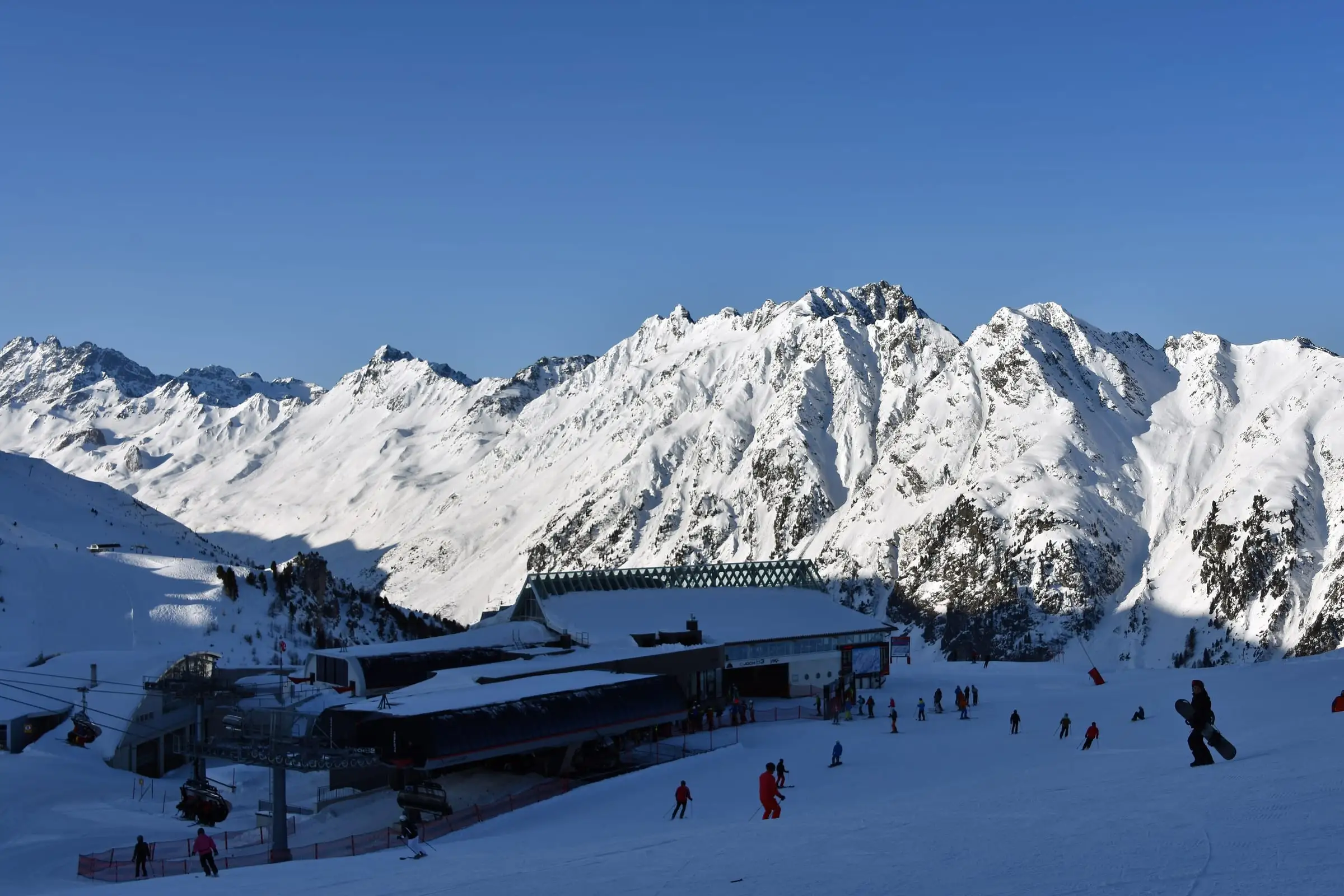
Ischgl’s lifts run from the village at 1,377 m to the Greitspitz at 2,872 m, and almost everything above the village starts above 1,900 m, with more than 1,100 snowmaking machines and no glacier. The 2026/27 season runs from 26 November 2026 to 2 May 2027, with the spring period starting on 28 March.
How snow-sure is Ischgl?
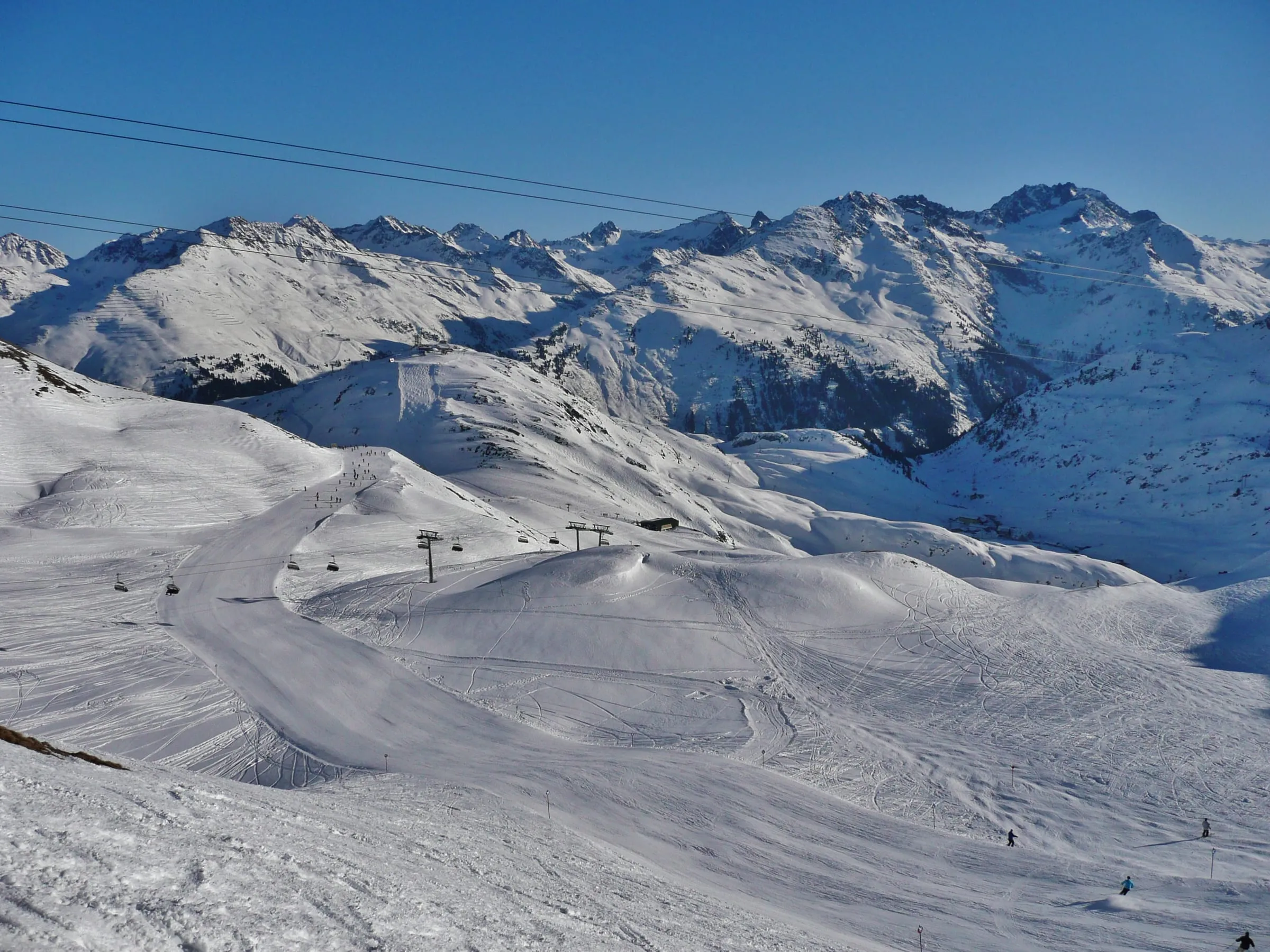
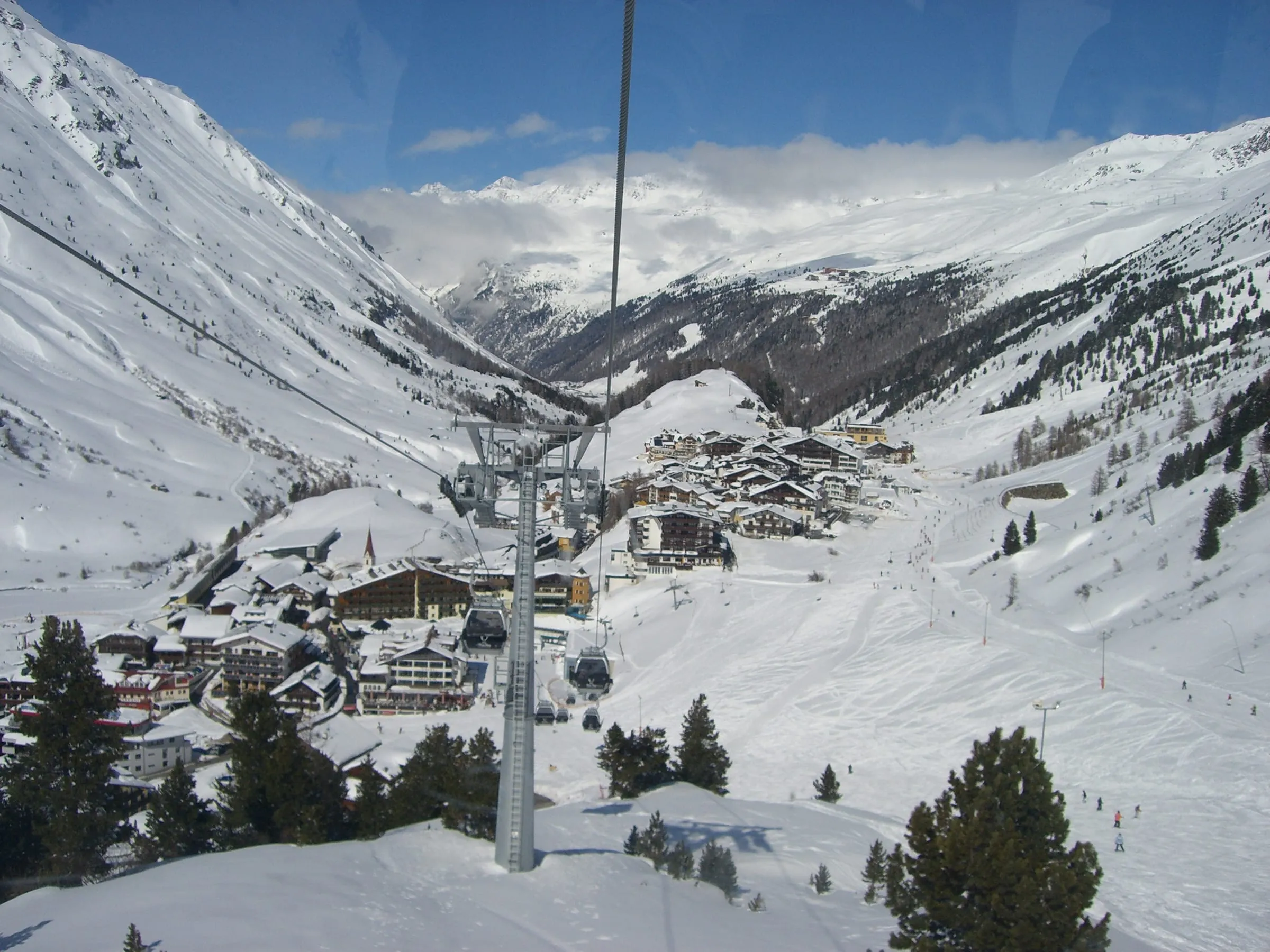
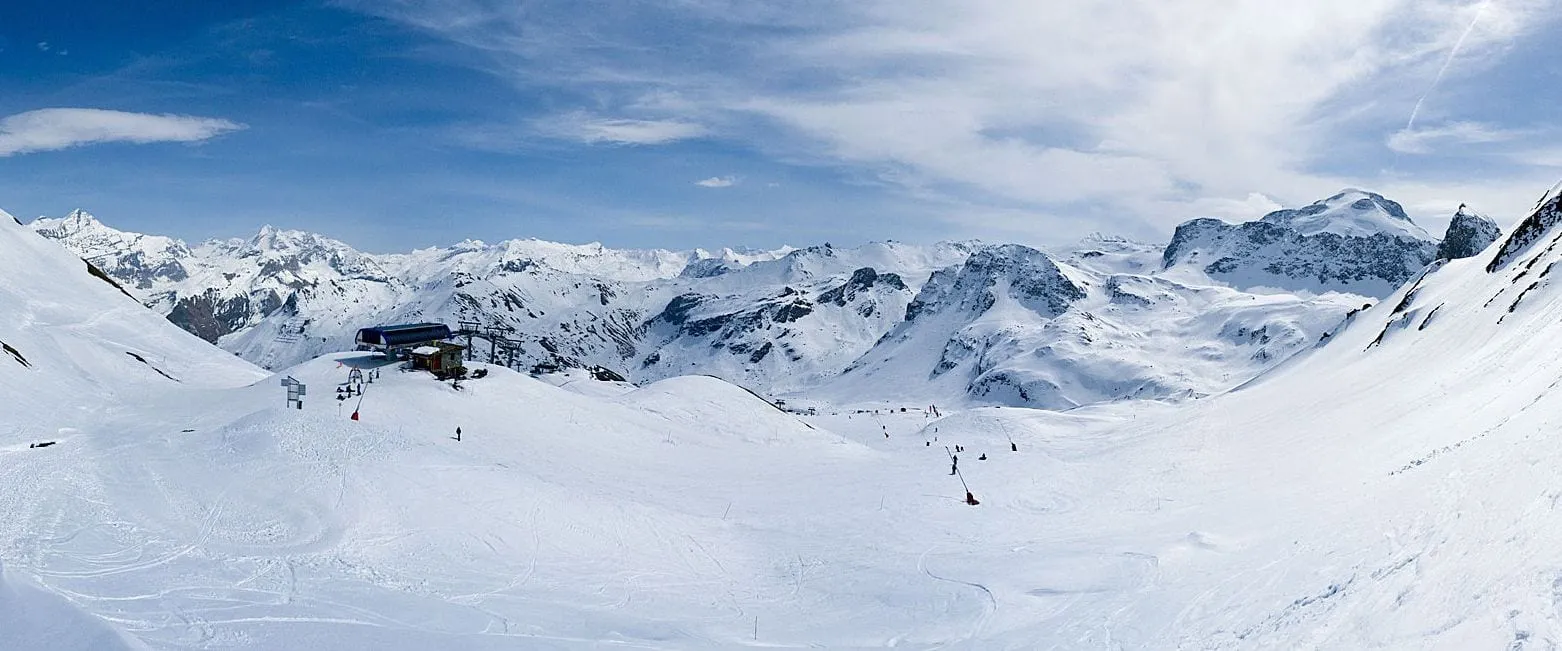
Very. The point to grasp is that the village is not where the skiing is: three big lifts take you about 1,000 m up to the Idalp, a broad bowl at about 2,300 m, and the rest of the Silvretta Arena spreads out from there. Apart from the runs home to Ischgl and Samnaun, nearly every lift starts above 1,900 m, and many top out above 2,700 m. The lift company says more than 1,100 snowmaking machines cover the pistes when natural snow runs short, and many of the runs in its piste list are marked as served by snowmaking.
We don’t yet have five seasons of records from a weather station on Ischgl’s slopes, so there’s no month-by-month snow history on this page. We judge Ischgl on its altitude and on the lift company’s own daily measurements at the Idalp and Alp Trida.
Against our other Austrian resorts, Ischgl skis higher than St. Anton for most of the day and stays open two weeks longer, into May. Only Sölden, with its glaciers, is a safer bet at the very start and end of the season.
The best time to ski Ischgl for snow
- Late November and December: the season opens on 26 November 2026. How much is open in the first weeks depends on early snowfall and cold nights for the snow guns; the high lifts around the Idalp come first and the valley run is the weak link.
- January: the quietest weeks outside the holidays, and midwinter cold keeps the snow on the high slopes in good shape.
- February: midwinter snow and the busiest weeks, with the half-term holidays.
- March: our pick for a mix of snow, longer days and sun. The main season runs to 27 March.
- April to early May: spring snow, firm in the morning and soft by lunch. The lifts run until 2 May 2027, two weeks after St. Anton closes. Ski the high sectors in the morning and come down by gondola if the red 1 has turned to slush.
Where the snow is best in Ischgl
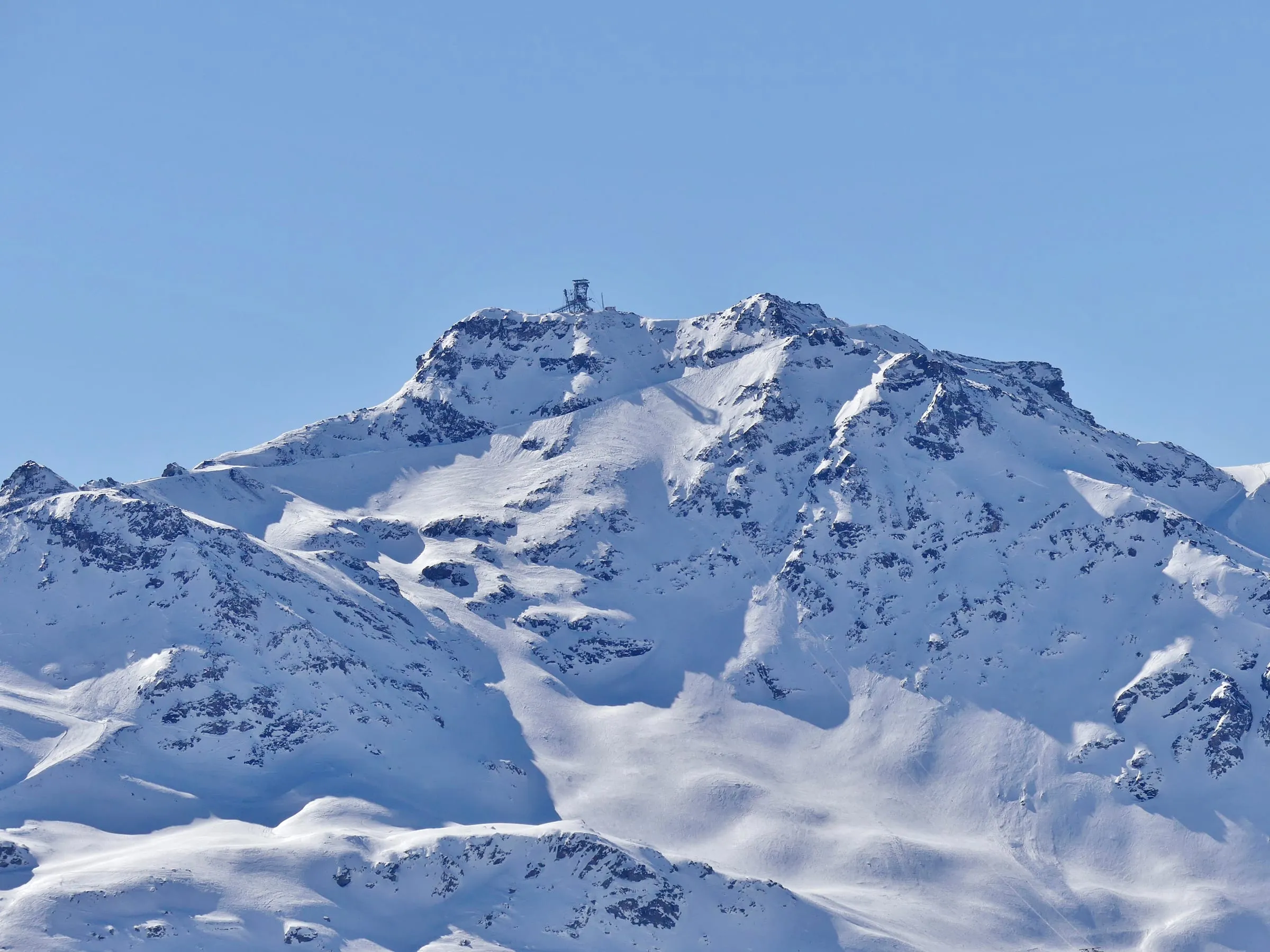
The highest ground is where the snow lasts: the Greitspitz (2,872 m), the Palinkopf (its chair tops out at 2,853 m), Piz Val Gronda (2,812 m) and the Flimjoch ridge at about 2,750 m. The Pardatschgrat at 2,624 m and the open slopes around Alp Trida on the Swiss side are high and open too.
The run that goes first is the red 1 from the Idalp down to Ischgl. Samnaun Dorf sits at 1,840 m, more than 400 m above Ischgl, so the Swiss side’s runs to the valley start from a higher floor.
If the snow is poor in Ischgl
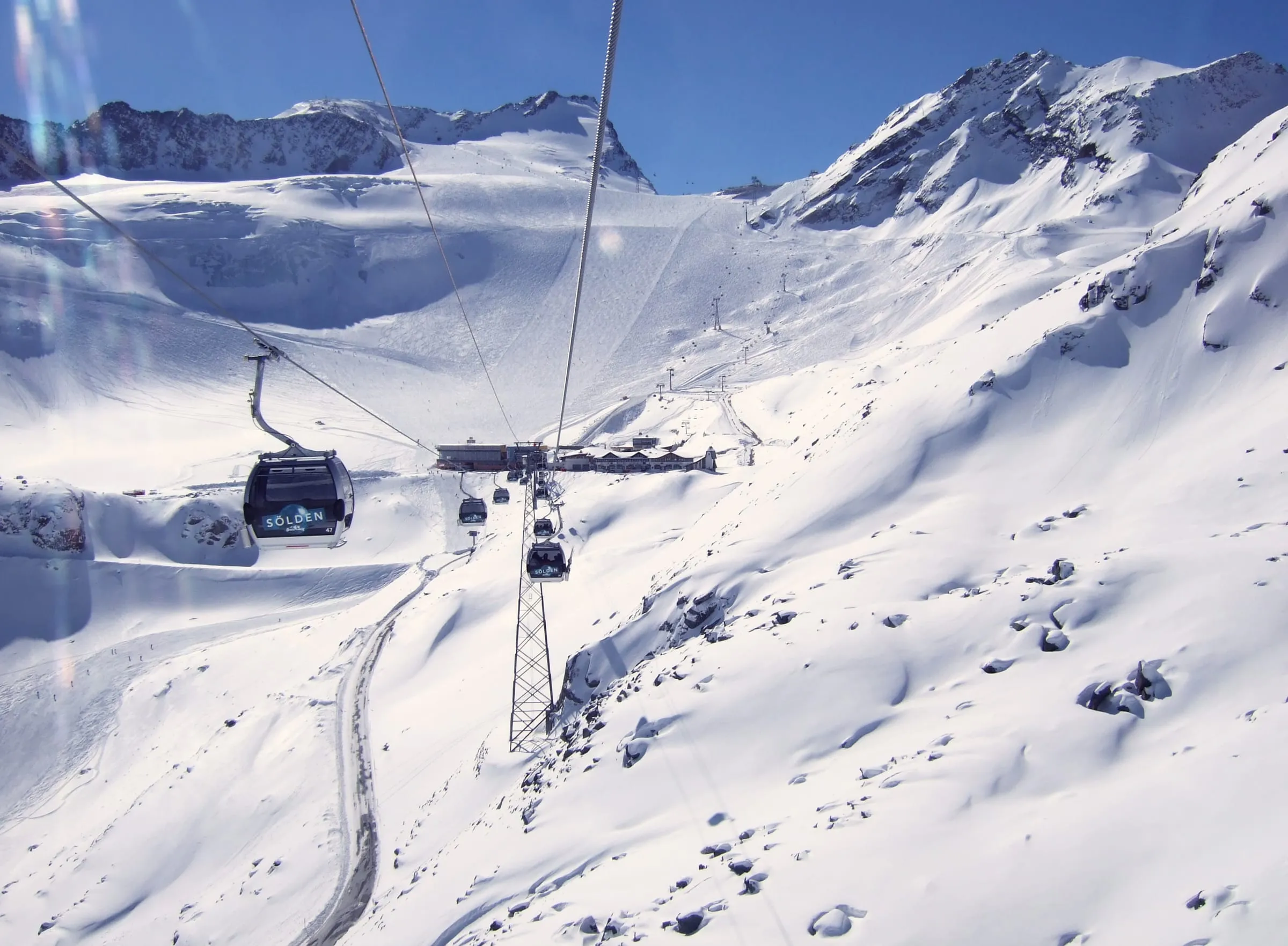
It rarely is up on the Idalp, so start there and stay high. If the red 1 is thin, ride the gondola down at the end of the day. If the whole of western Tyrol is short of snow, Sölden is the higher alternative with two glaciers. Read where to stay in Ischgl for hotels near the gondolas, and Ischgl with kids if you’re bringing children who’ll learn up on the Idalp.
Webcams and official snow reports for Ischgl
The tourist office’s Ischgl snow report gives daily depths at the Idalp, Alp Trida, Samnaun Dorf and the village, with the avalanche level, and its open facilities list shows which lifts and runs are running. The Ischgl webcams cover the Palinkopf, Greitspitz, Piz Val Gronda, Pardatschgrat and Idalp.