France
 Austria
 Italy
 Switzerland
 English
 Deutsch
 Nederlands
 Čeština
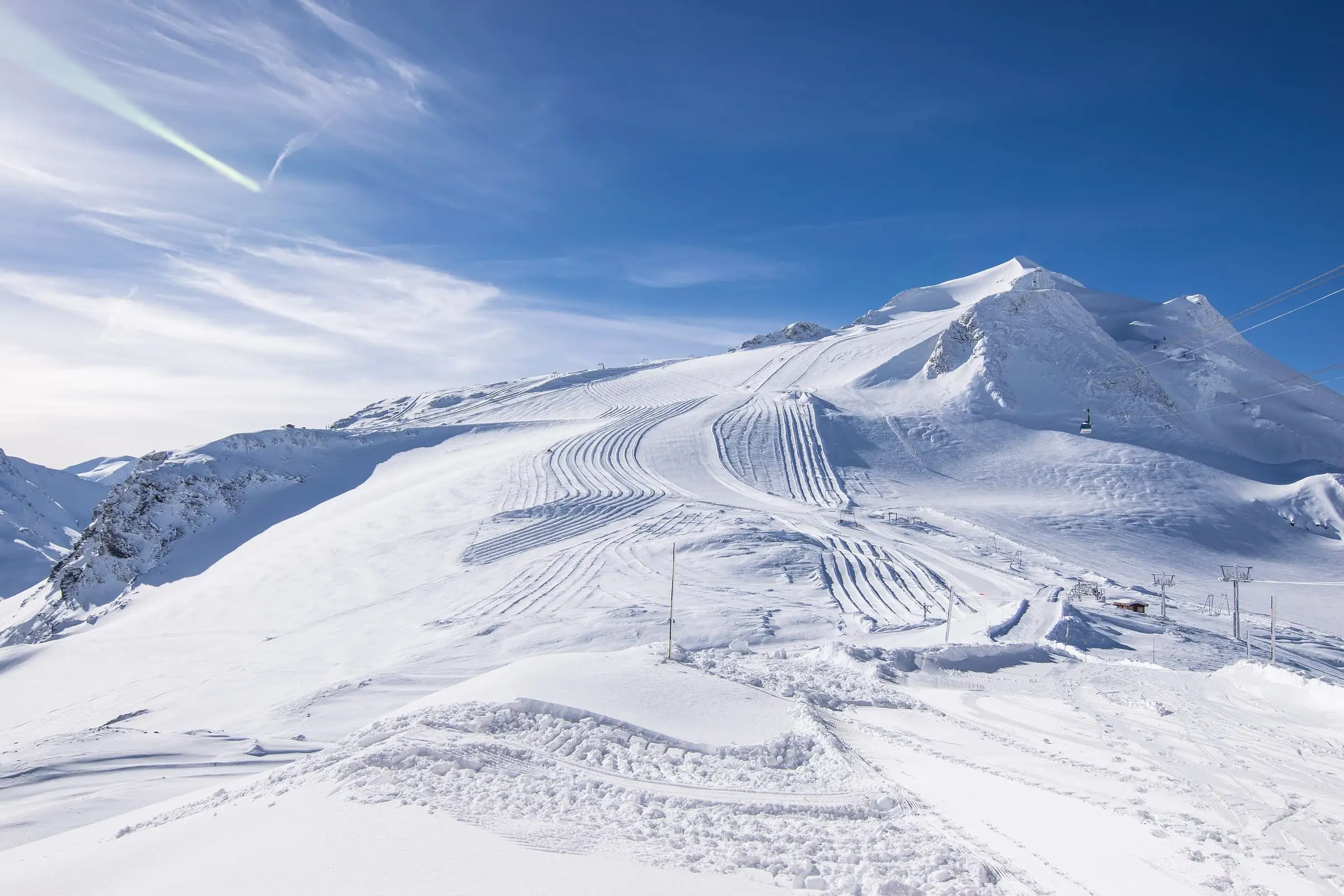
Of the resorts we cover in depth, the most snow-sure are Zermatt and Breuil-Cervinia, which share Europe’s highest lift-served ski area and a glacier skied all year, followed by Val Thorens and Tignes, where almost all the pistes are above 2,000 m. Sölden, Val d’Isère, Obergurgl-Hochgurgl, St Anton and Ischgl complete our top nine. If you need snow on a fixed week, whether late November or late April, book from the top of this list.
How we chose
We ranked the resorts on how reliable the skiing is across the whole season, not on a single big-snow day. Five things decide it:
- Altitude of the skiing, especially how much of it is above 2,000 m, and how high the village and the runs home sit.
- A glacier, which adds a high, cold safety net early and late.
- Aspect: north-facing slopes keep their snow far longer than sunny ones.
- Snowmaking, as the lift companies report it.
- The 2026/27 season: how early the lifts open and how late they close.
We’ve added our own analysis of official weather-station records: the average natural snow depth by month at the highest station on each resort’s slopes, over five seasons from 2021/22 to 2025/26. Only five of the 23 resorts ranked here have such a station inside their own ski area, and Obergurgl-Hochgurgl has one in its village. For the others we judged from the facts above, and we say where there’s no slopes station.
We didn’t count resorts’ own snowfall claims, which are measured in different ways, or powder: a resort can be reliable without being a powder resort.
The most snow-sure ski resorts at a glance
| Rank | Resort | Skiing altitude | Glacier | 2026/27 lifts | What decides it |
|---|---|---|---|---|---|
| 1 | Zermatt | 1,620 to 3,899 m | Yes, Theodul | Glacier from autumn; winter season to 2 May 2027 | 80% of slopes on glacier or with snowmaking (lift company) |
| 2 | Breuil-Cervinia | Village 2,050 m, same area as Zermatt | Yes, Plateau Rosà | 24 Oct 2026 to 2 May 2027 | Highest village of the two, longest published season |
| 3 | Val Thorens | Village 2,300 m, top 3,230 m | No lift-served glacier | 21 Nov 2026 to 2 May 2027 | 99% of the area above 2,000 m |
| 4 | Tignes | 1,550 to 3,456 m | Yes, Grande Motte | 21 Nov 2026 to 2 May 2027 | 93% of pistes above 2,000 m; about 400 snow guns |
| 5 | Sölden | 1,350 to 3,340 m | Yes, two | 12 Nov 2026 to 18 Apr 2027; glacier to 2 May | Two glaciers, both topping out at about 3,250 m |
| 6 | Val d’Isère | Village 1,850 m, Pissaillas just under 3,200 m | Yes, Pissaillas | 28 Nov 2026 to 2 May 2027 | Mostly north-facing; 65 km+ with snowmaking |
| 7 | Obergurgl-Hochgurgl | Villages 1,930 and 2,150 m, lifts 1,800 to 3,030 m | No | 19 Nov 2026 to 18 Apr 2027 | Both villages above 1,900 m; snowmaking on 90%+ of pistes |
| 8 | St Anton | 1,304 to 2,811 m | No | 2 Dec 2026 to 18 Apr 2027 | Most natural snow in our station records; 88% snowmaking cover |
| 9 | Ischgl | Village 1,377 m, skiing mostly above 1,900 m, top 2,872 m | No | 26 Nov 2026 to 2 May 2027 | High skiing, 1,100+ snow guns, five-month season |
| 10 | Chamonix | Town 1,035 m, skiing mostly 1,900 to 2,765 m | No | 28 Nov 2026 (partial) to 2 May 2027 (Grands Montets) | North-facing Grands Montets; low, scattered areas |
| 11 | Verbier | Village 1,500 m, Mont-Fort 3,330 m | No | Opened 7 Nov 2026; to 25 Apr 2027 | Most skiing above 2,200 m |
| 12 | St Moritz | Village 1,846 m, Corviglia to 3,057 m, Corvatsch 3,303 m | Diavolezza, nearby | Corviglia 28 Nov to 4 Apr; Corvatsch to 25 Apr | High and cold, but a dry valley |
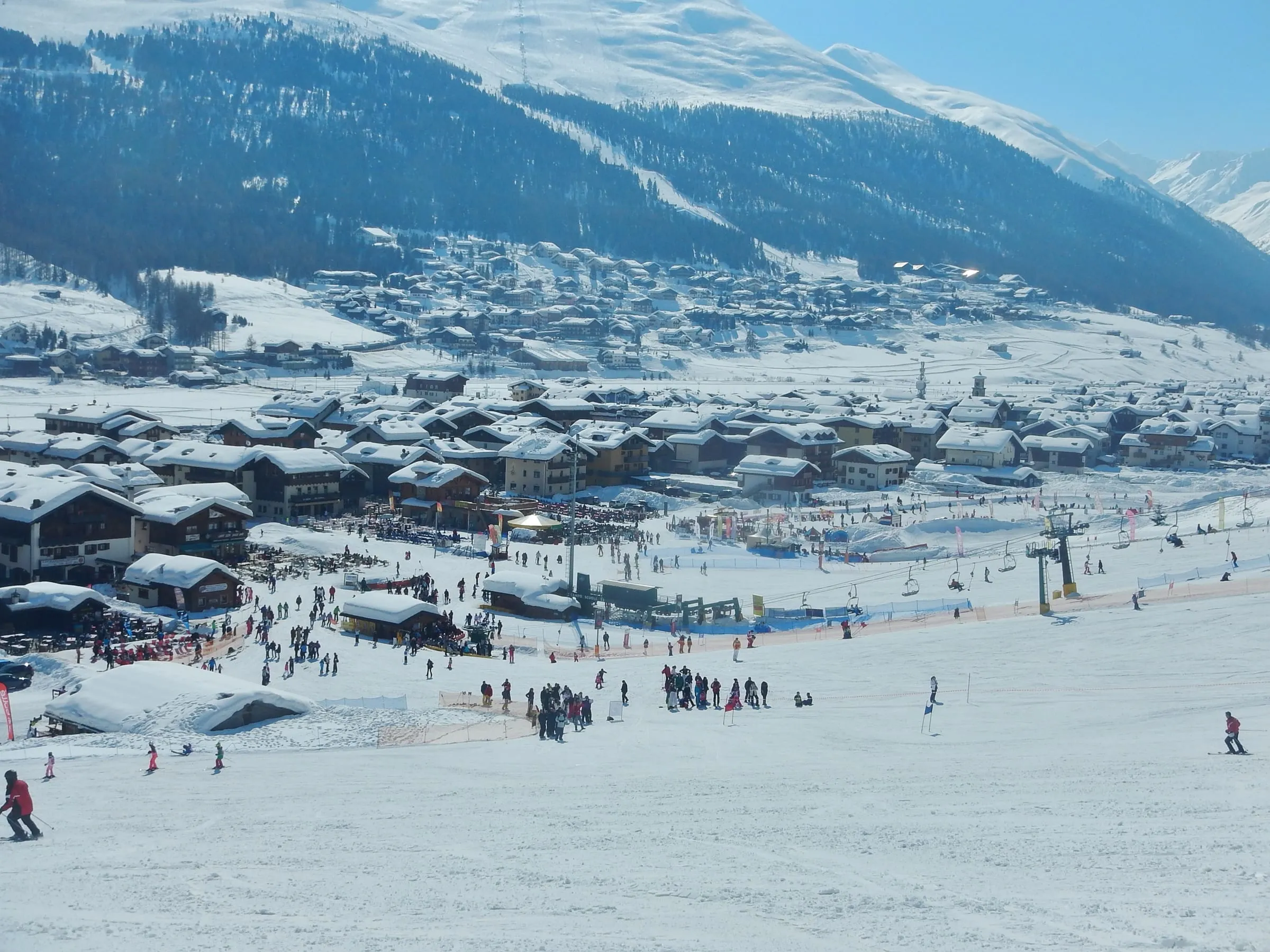
| 13 | Livigno | 1,816 to about 2,800 m | No | 28 Nov 2026 to 2 May 2027 | High village; north-facing Federia runs |
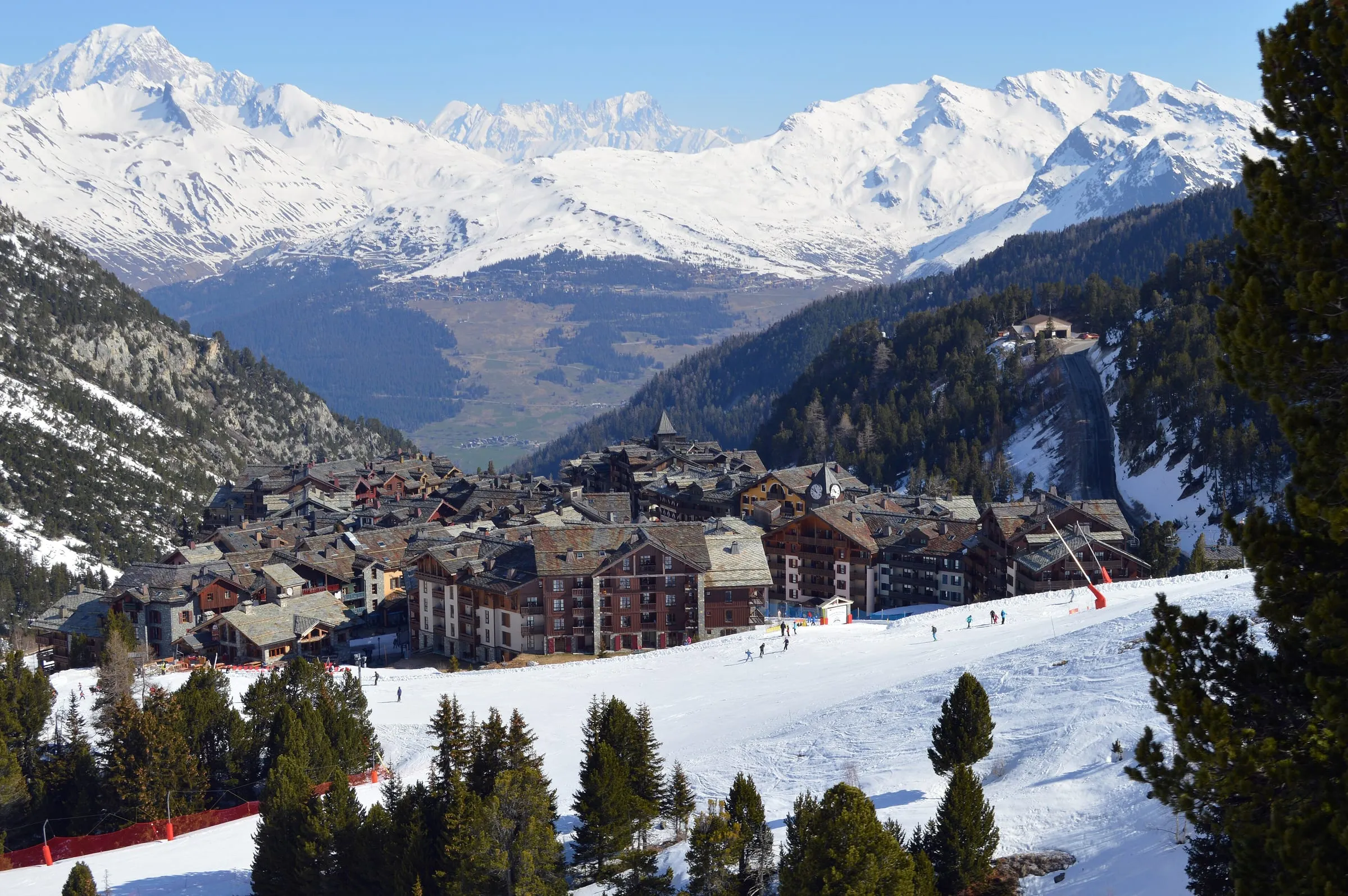
| 14 | Les Arcs | Villages Arc 1600 to Arc 2000, runs 1,200 to 3,226 m | No glacier ski area | 12 Dec 2026 to 24 Apr 2027 | About 70% of pistes above 2,000 m; latest opening of the French resorts here |
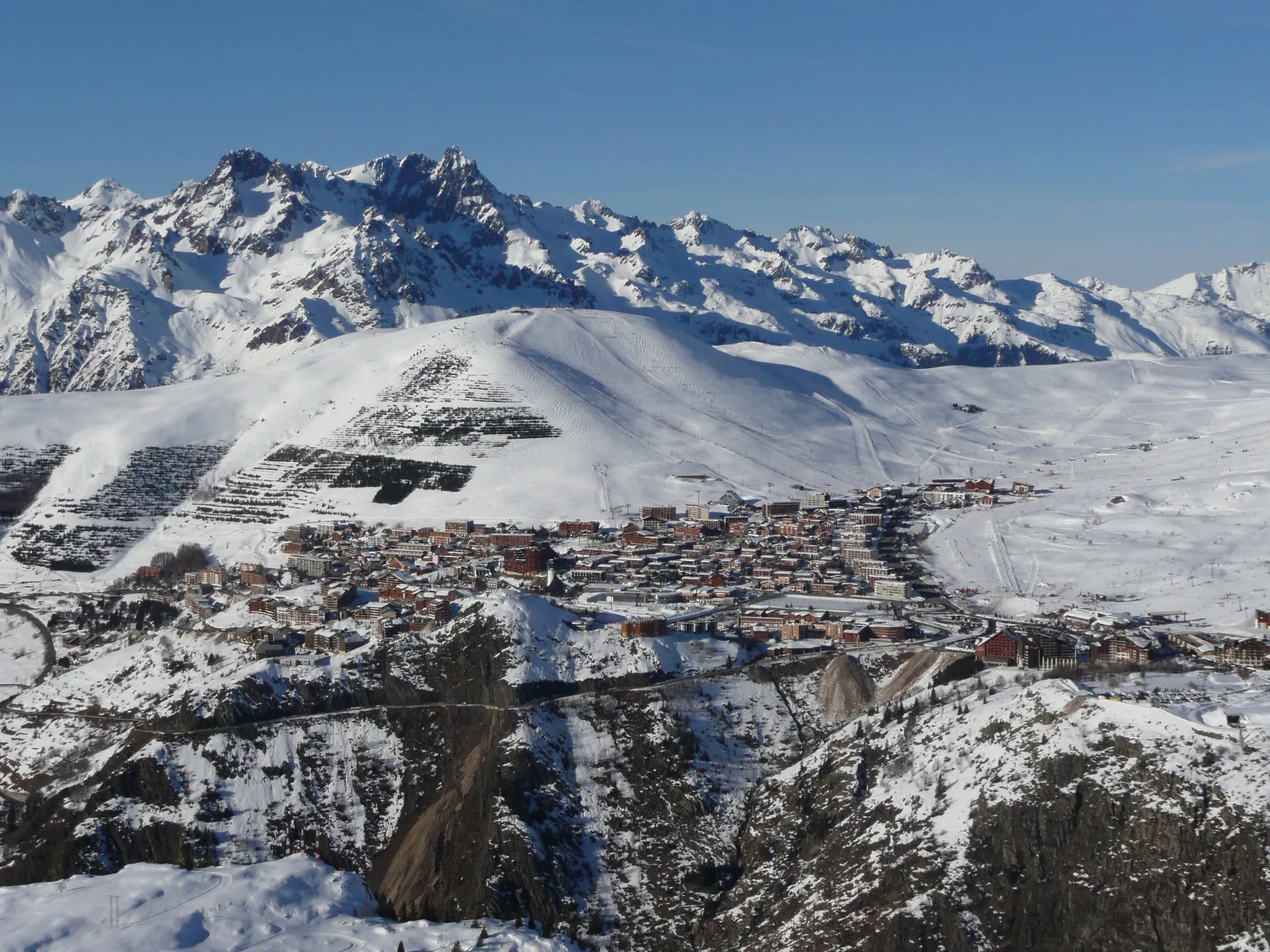
| 15 | Alpe d’Huez | Village 1,860 m, top 3,330 m | Pic Blanc stands above the Sarenne glacier | 5 Dec 2026 to 25 Apr 2027 | 1,053 snow guns, but much of it faces south |
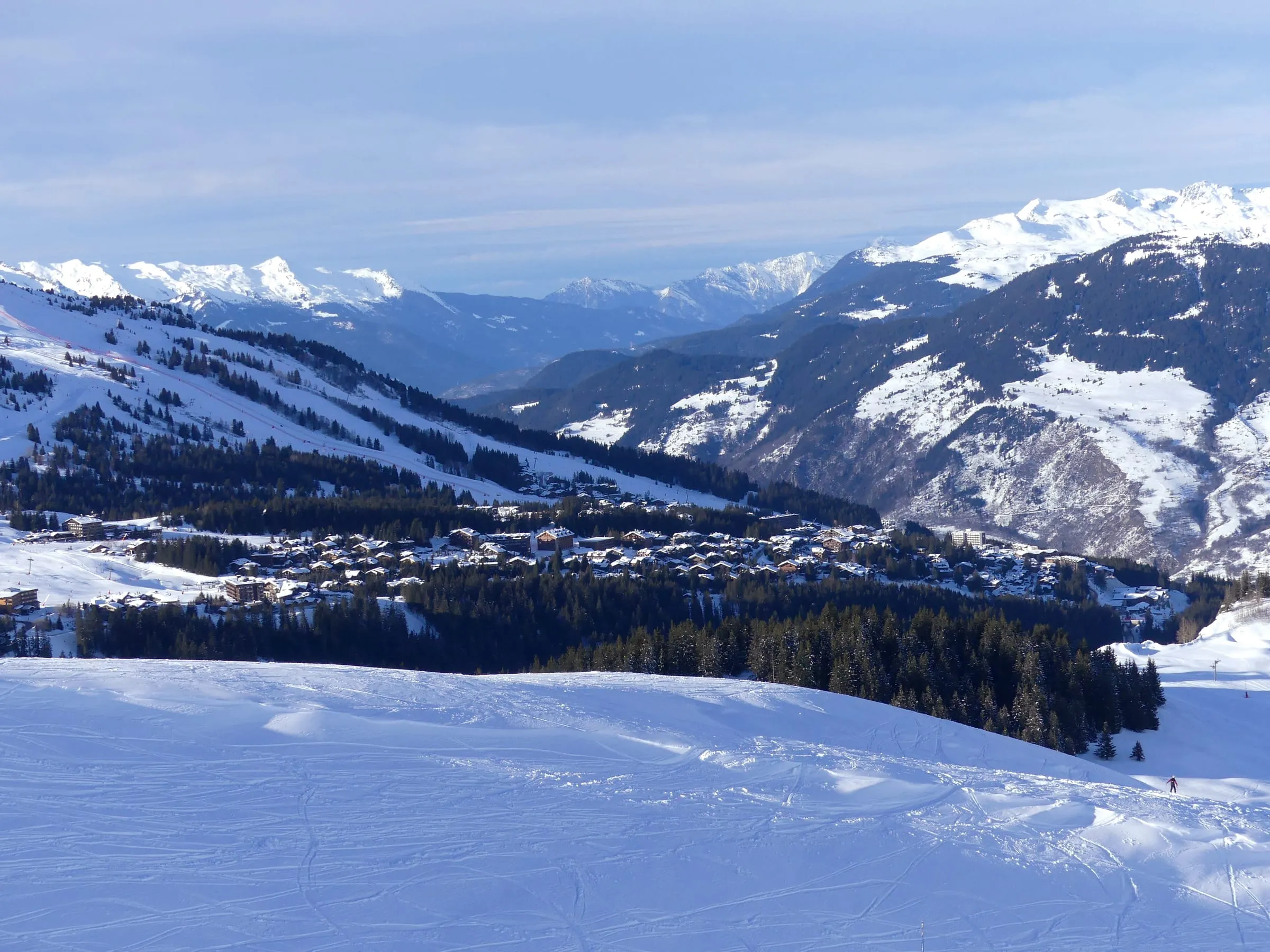
| 16 | Courchevel | Villages to 1,850 m, top 2,738 m | No | 4 Dec 2026 to 18 Apr 2027 | Snowmaking on more than half the runs |
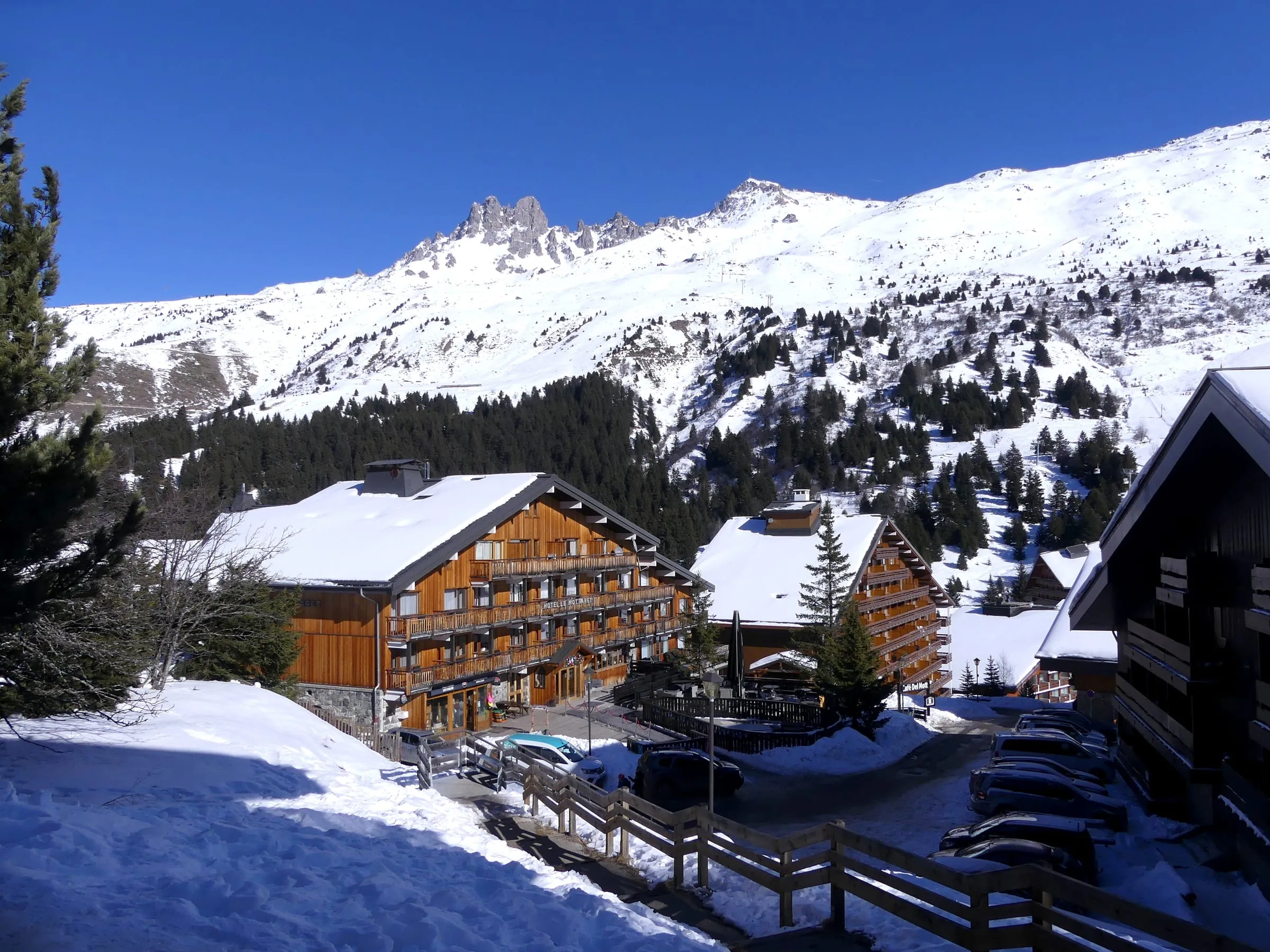
| 17 | Méribel | Village 1,450 m, top 2,952 m | No | 5 Dec 2026 to 18 Apr 2027 | Mottaret is the snow-sure base; low runs home |
| 18 | Cortina d’Ampezzo | Town 1,224 m, top 3,244 m | No | 28 Nov 2026 to 2 May 2027 | Most skiing 1,900 m and up; Dolomites weather |
| 19 | Mayrhofen | Town 630 m, top about 2,500 m | Hintertux, on 2-day+ passes | 4 Dec 2026 to 11 Apr 2027 | 89% of skiing above 1,700 m |
| 20 | Alta Badia | Villages 1,324 to 1,645 m, top 2,550 m | No | 4 Dec 2026 to 4 Apr 2027 | Gentle groomed runs kept covered by snowmaking; mid-altitude |
| 21 | Val Gardena | 1,236 to 2,518 m | No | 4 Dec 2026 to 4 Apr 2027 | Mid-altitude; relies on snowmaking |
| 22 | Kitzbühel | 800 to 2,000 m | No | 6 Nov (Resterkogel) to 4 Apr 2027 | 1,260+ snow guns and a snow refund, but low |
| 23 | Grindelwald | Village 1,034 m, skiing mostly 1,600 to 2,300 m | No | Kleine Scheidegg from 21 Nov; First 19 Dec to 29 Mar | Low; snowmaking on 60%+ of slopes |
Our snow records: five seasons at the resorts’ own stations
This is our analysis of official station records (Météo-France and GeoSphere Austria): the natural snow depth at one station on each resort’s slopes, averaged by month over the five seasons from 2021/22 to 2025/26. In brackets, the number of seasons in which every week of that month averaged 30 cm or more, out of the seasons with a full record. It isn’t the depth of the groomed pistes, which snowmaking adds to, and one station can’t speak for a whole ski area.
| Resort (station, altitude) | Dec | Jan | Feb | Mar | Apr |
|---|---|---|---|---|---|
| St Anton (Galzig, 2,079 m) | 125 cm (4 of 4) | 155 cm (4 of 4) | 175 cm (4 of 4) | 176 cm (5 of 5) | 139 cm (5 of 5) |
| Chamonix (La Flégère, 1,850 m) | 89 cm (4 of 4) | 123 cm (5 of 5) | 143 cm (5 of 5) | 141 cm (5 of 5) | 126 cm (5 of 5) |
| Val Thorens (Orelle, 2,356 m) | 75 cm (3 of 3) | 105 cm (4 of 4) | 119 cm (4 of 4) | 122 cm (4 of 4) | 116 cm (4 of 4) |
| Alpe d’Huez (resort station, 1,860 m) | 64 cm (3 of 3) | 92 cm (5 of 5) | 118 cm (5 of 5) | 121 cm (5 of 5) | 72 cm (2 of 3) |
| Kitzbühel (Hahnenkamm-Sonnenrast, 1,667 m) | 41 cm (3 of 5) | 55 cm (3 of 5) | 70 cm (5 of 5) | 71 cm (5 of 5) | 38 cm (1 of 5) |
Three things stand out. St Anton’s Galzig station, at only 2,079 m, held the deepest natural snow of any slopes station in our records, in every month: where a resort sits in the Alps matters as much as how high it is. Val Thorens’ station, nearly 300 m higher, held less snow but was just as dependable: it cleared 30 cm in every week of every recorded season from December to April. And the gap that matters for a booking is at the ends of the season. In April, Kitzbühel’s station cleared 30 cm all month in one season out of five, while St Anton, Chamonix and Val Thorens did in every season recorded.
Obergurgl-Hochgurgl’s station, run by GeoSphere Austria, is in the village at 1,941 m rather than on the slopes, so it sits outside the table: over the same five seasons, natural snow there averaged about 39 cm in December, 63 cm in January, 73 cm in February, 65 cm in March and 17 cm in April, and every week from late January to mid-March averaged 30 cm or more in every season on record. The pistes above are higher and deeper, so read it as a floor.
Zermatt, Breuil-Cervinia, Tignes, Val d’Isère, Sölden, Ischgl, Les Arcs, Alta Badia and the other resorts have no slopes station in our data, so we haven’t quoted figures for them.
The ranking, resort by resort
1. Zermatt: the safest bet in Europe, any month
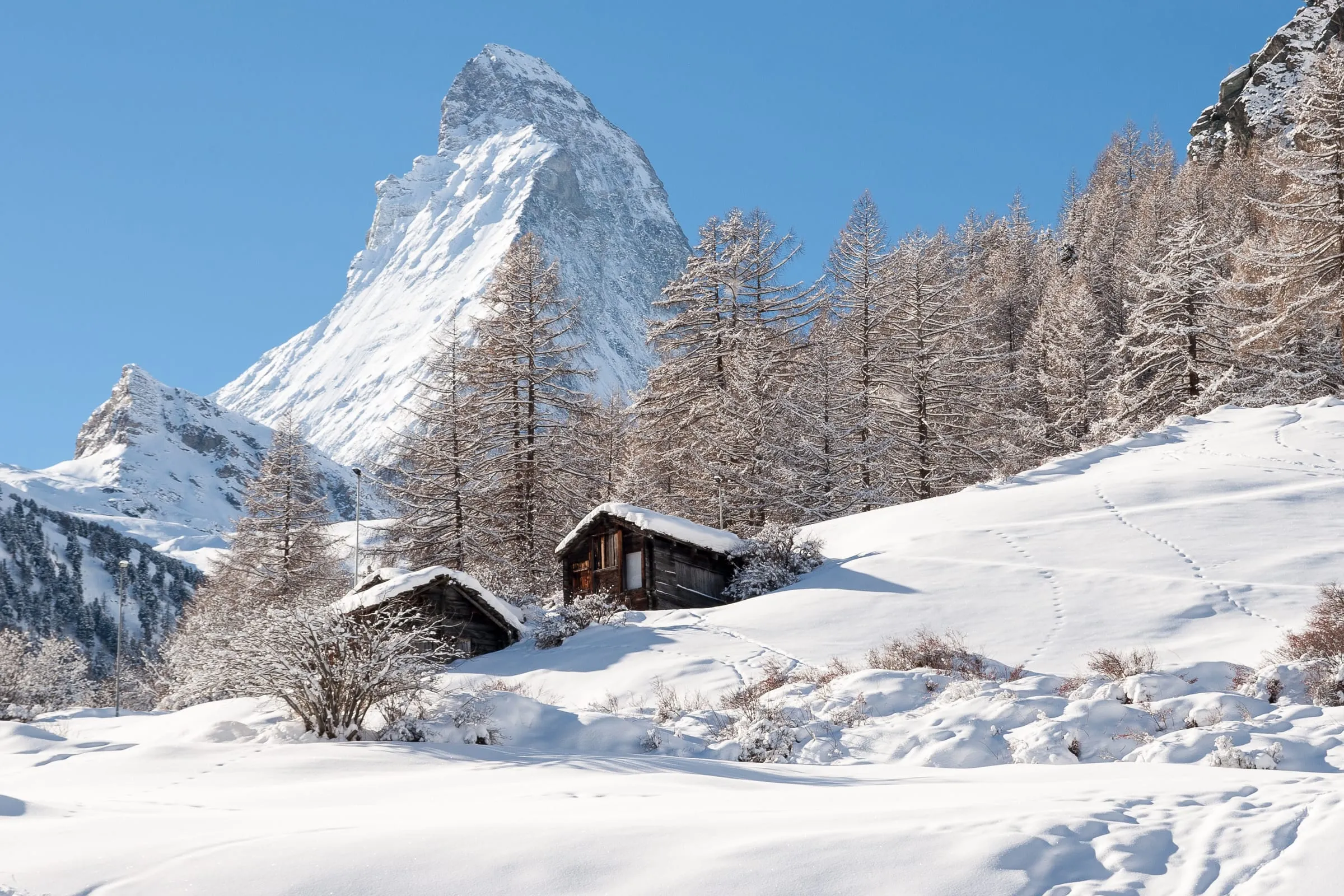
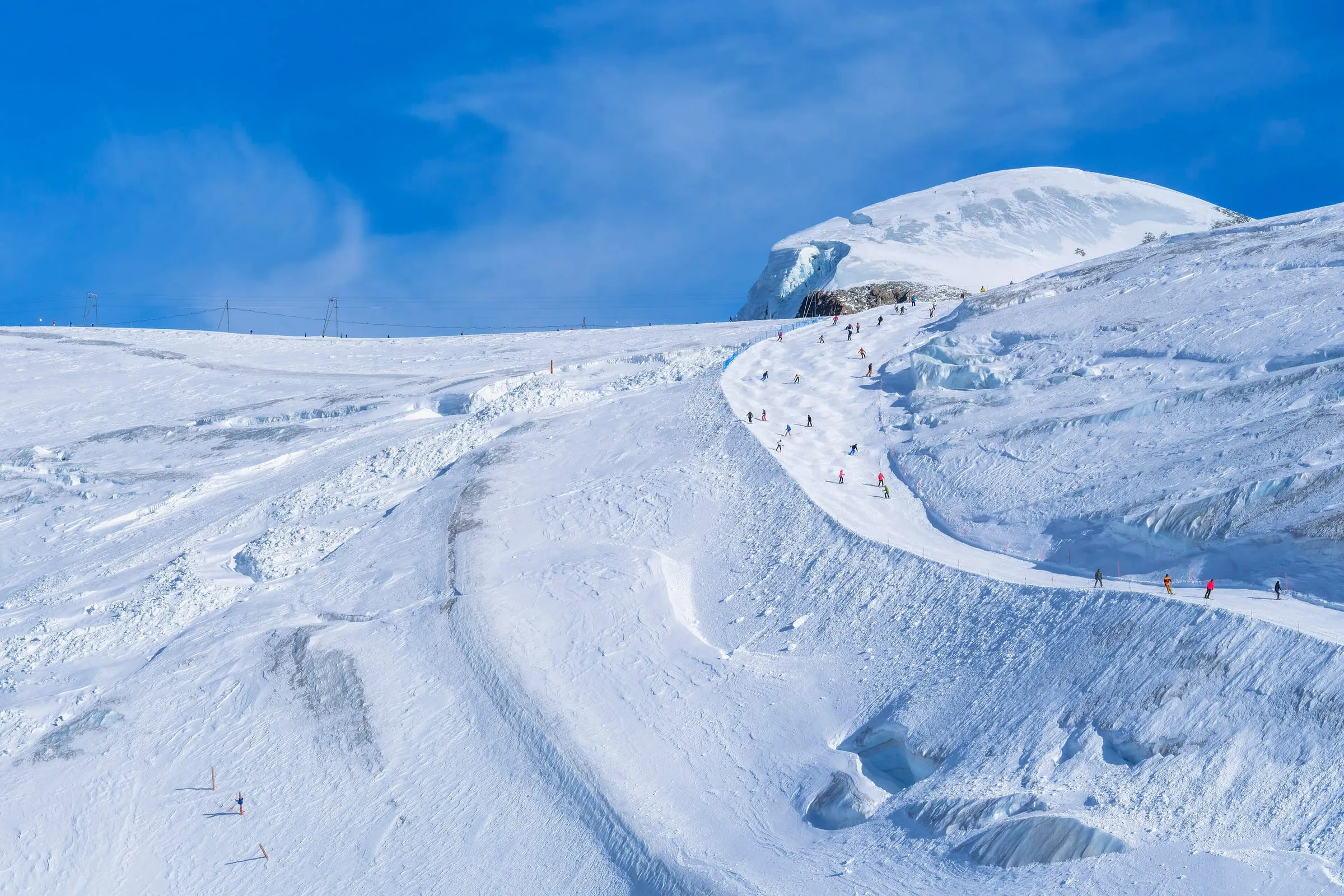
Zermatt shares the Matterhorn ski area with Breuil-Cervinia: 360 km of pistes, a top station at 3,883 m at Matterhorn Glacier Paradise and a highest skiable point of 3,899 m, the highest in the Alps by the lift company’s count. The Theodul glacier keeps 21 km of pistes open in summer, and Zermatt Bergbahnen says 80% of its slopes are on glacier or have snowmaking. That keeps the runs back to the village at 1,620 m open when nature is slow.
It suits anyone who needs a fixed week to work, at either end of the season. The catch is cost and weather above 3,000 m: wind closes the glacier lifts and the Italian link, and the operator publishes a live wind map for that reason. On a stormy day the Gornergrat railway, a train rather than a cable car, keeps running. The Sunnegga lifts close from 12 April 2027 for a rebuild, so mid-April means the glacier and Gornergrat sectors. Read our Zermatt guide, check where to stay in Zermatt, or weigh it against its neighbour in Zermatt or Cervinia.
2. Breuil-Cervinia: the same glacier, a higher village
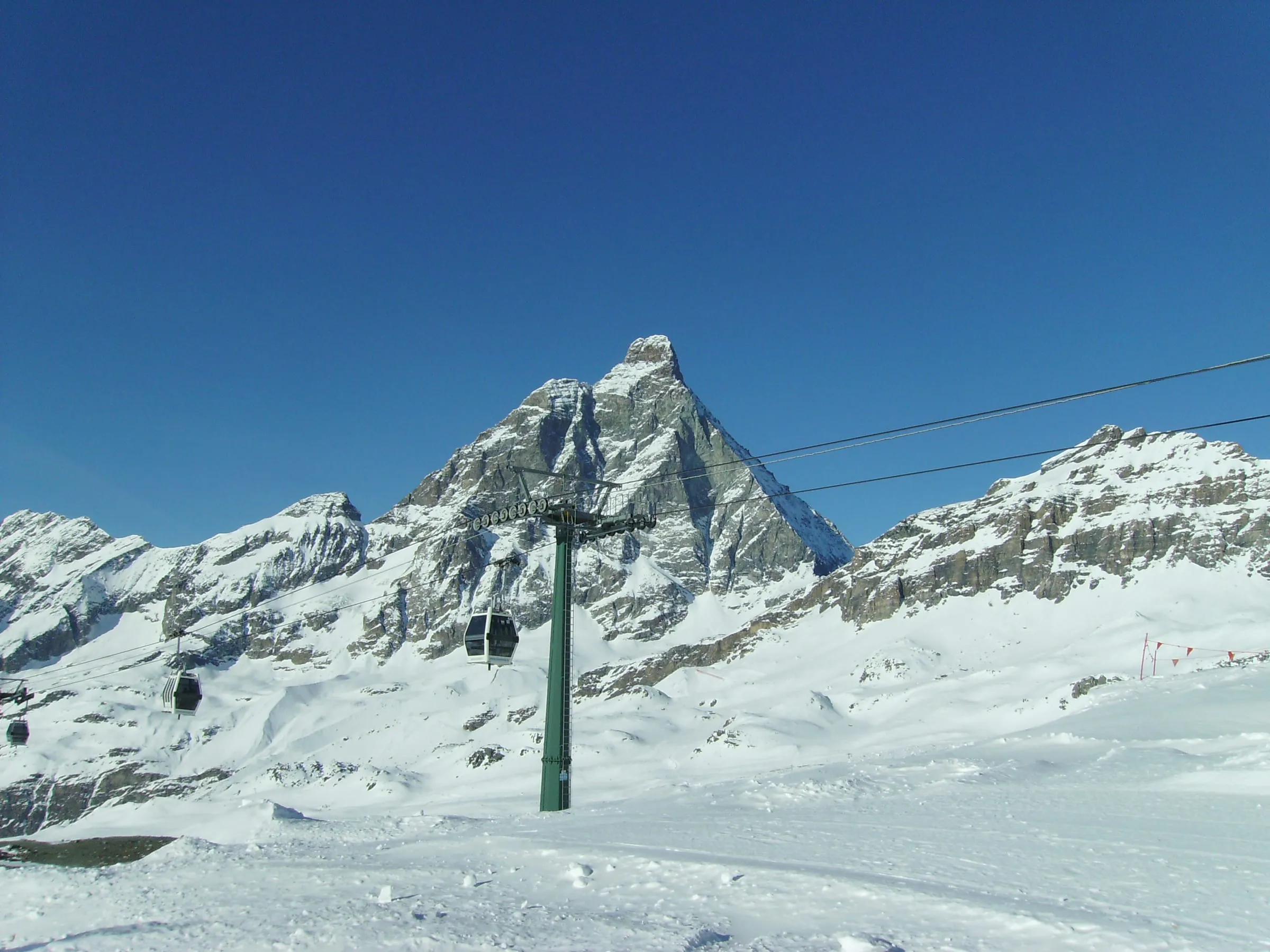
Breuil-Cervinia skis the same glacier and shares the same top station, but its village sits at 2,050 m, more than 400 m above Zermatt’s. That means snow at the door in a thin winter, and the lift company publishes the longest season of any of our resorts: 24 October 2026 to 2 May 2027 (Valtournenche, lower down, runs from 28 November to 25 April). The tourist board lists 67 km of pistes with snowmaking.
It’s usually the cheaper way into Europe’s highest skiing, and it suits intermediates who want long days at altitude. The catch is exposure. The whole area is above the treeline, the upper lifts and the link to Zermatt are the first to close in wind, and there’s little shelter in a storm. In late November 2026 only part of the area was open. See our Breuil-Cervinia guide and where to stay.
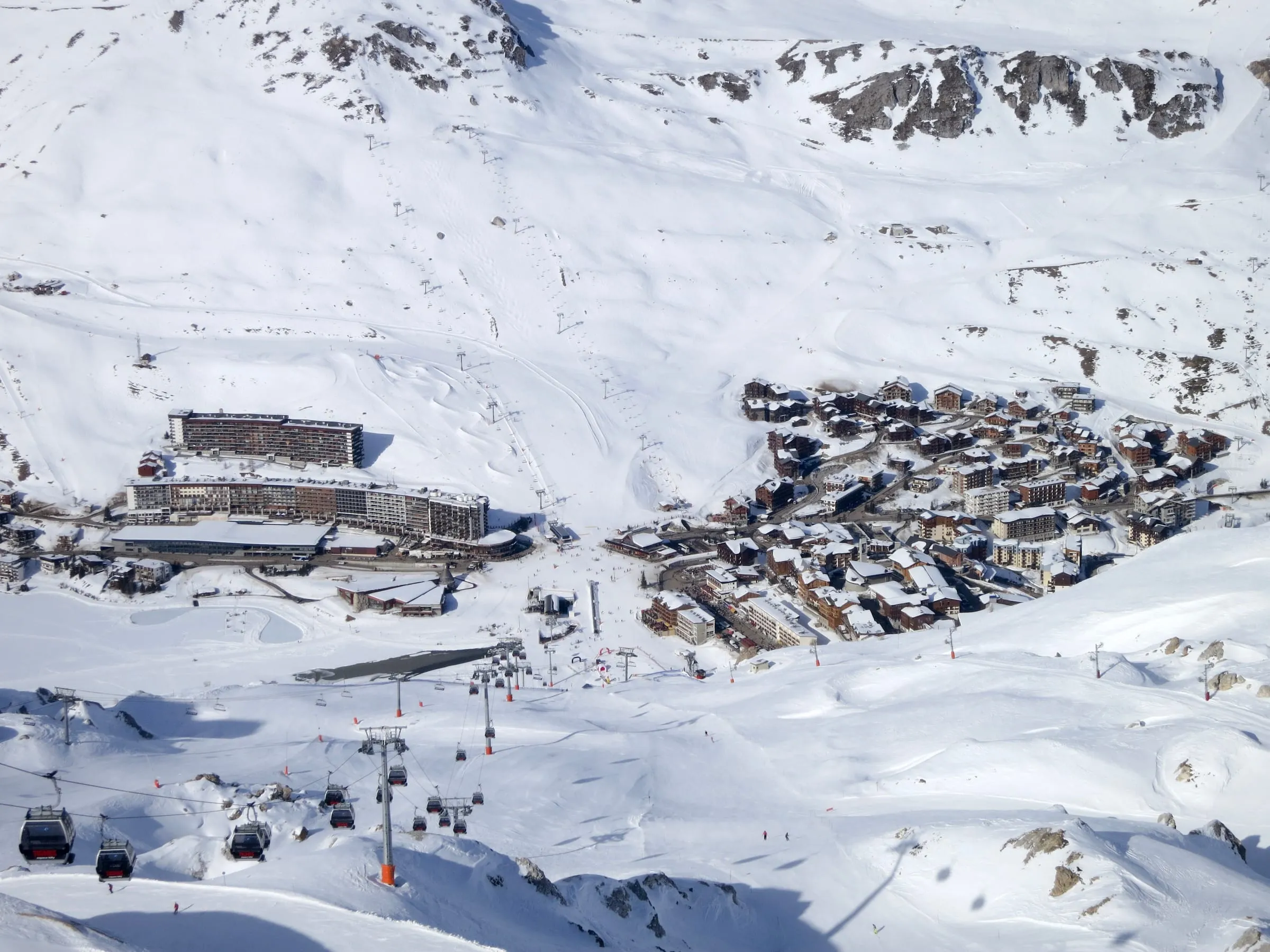
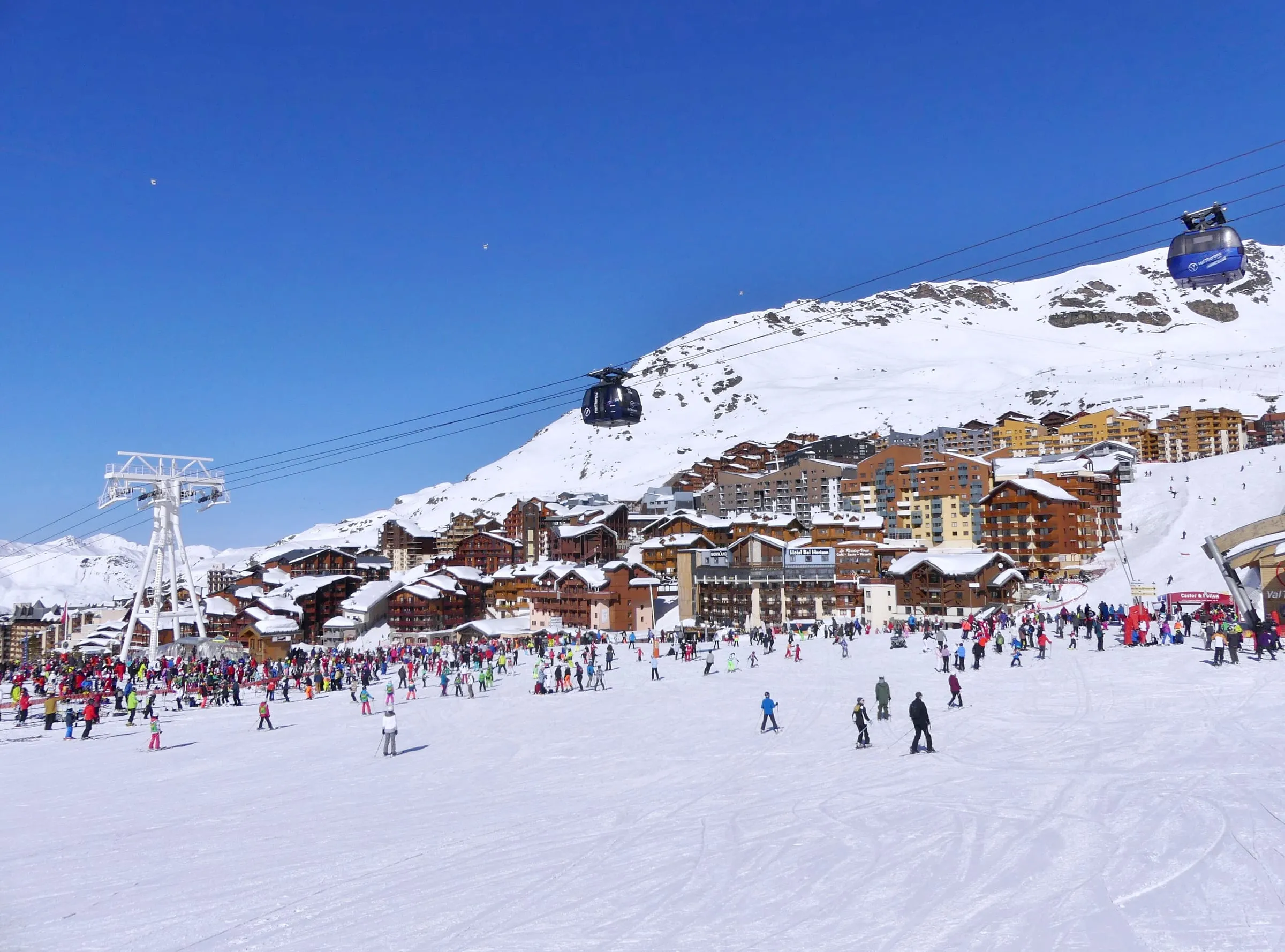
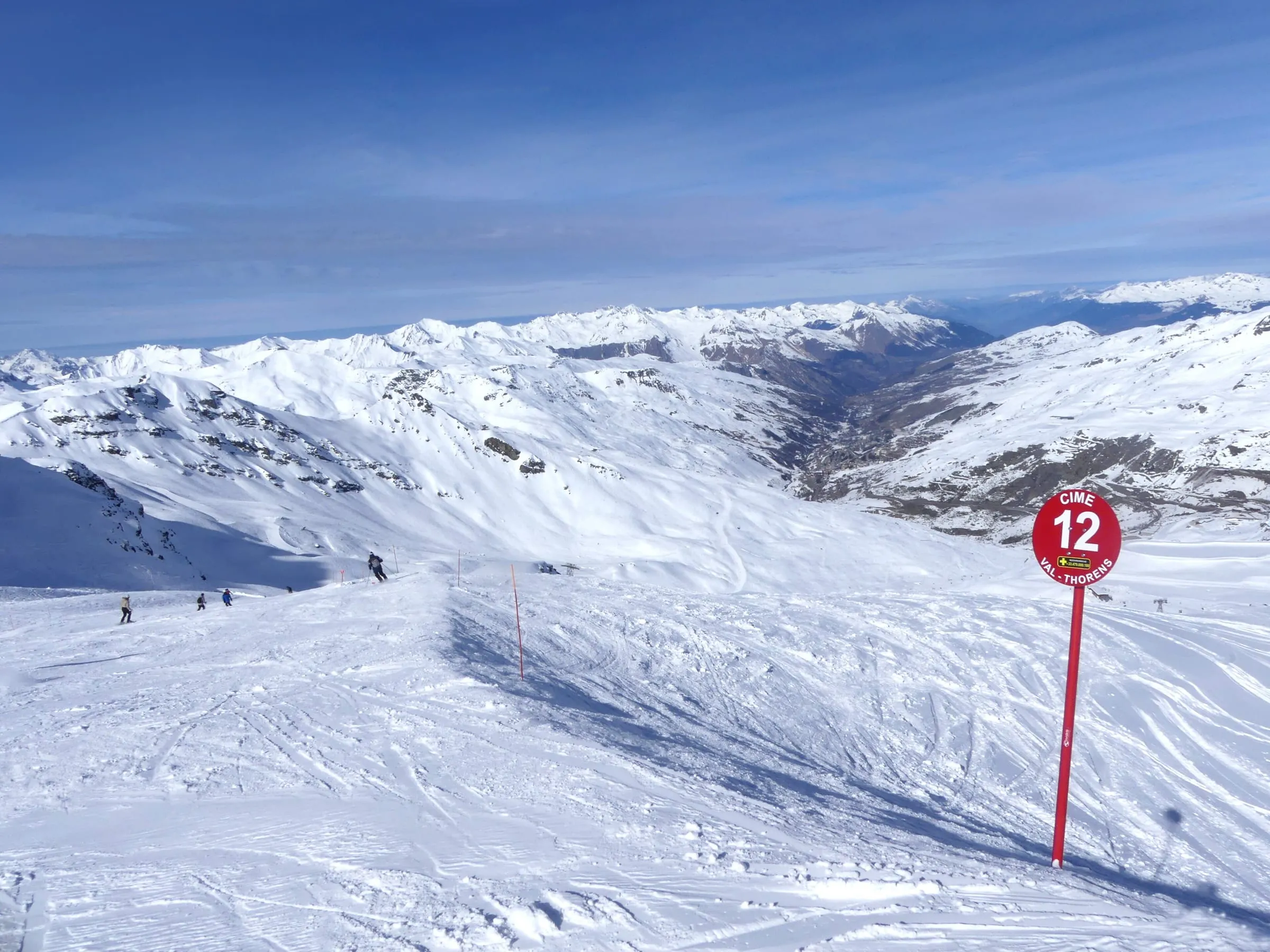
3. Val Thorens: the highest village, and the station data to match
Val Thorens’ village is at 2,300 m, and the lift company says 99% of its ski area is above 2,000 m. It has the longest season in Les 3 Vallées, 21 November 2026 to 2 May 2027, and our station above the resort at Orelle (2,356 m) cleared 30 cm in every week of every recorded season from December to April. Of our five slopes stations, only St Anton’s and Chamonix’s match that.
It’s the one to book for the first or last weeks of the season in France, and for groups who want to ski to the door every afternoon. The catch: there are no trees at all, so a windy or cloudy day is hard work. The lift company was reporting a partial opening because of strong winds in late November 2026. The funitels run in stronger winds than the chairs, so check them before giving up. Our Val Thorens guide and where to stay in Val Thorens have the detail, and Courchevel, Méribel or Val Thorens compares it with its neighbours.
4. Tignes: a glacier above a high resort
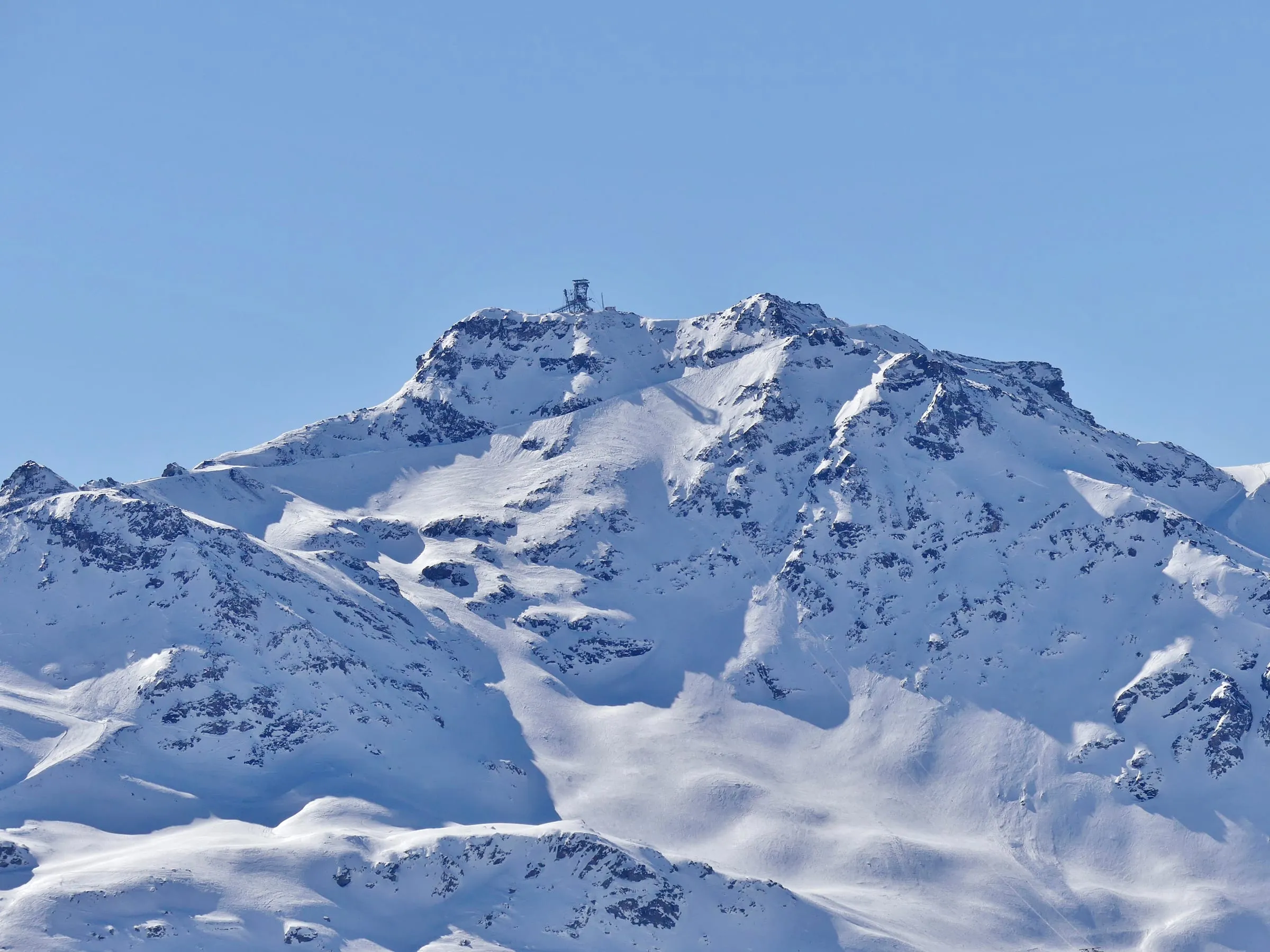
Tignes puts 93% of its pistes above 2,000 m, according to the tourist office, and its main villages around the lake and at Val Claret are at about 2,100 m. The Grande Motte glacier rises to 3,456 m, and national teams train on it in October. About 400 snow guns lay down the first base. The season runs from 21 November 2026 to 2 May 2027, with the Val d’Isère link from 28 November, subject to snow.
It’s our pick in France for anyone who wants both ends of the season covered, and for beginners, who get free lifts at the villages. The catch is the same as Val Thorens’: above the treeline, wind and flat light. The funicular runs inside the mountain and copes best with wind; the trees above Les Brévières and Tignes 1800 are the bad-weather fallback. See our Tignes guide and Tignes or Val d’Isère.
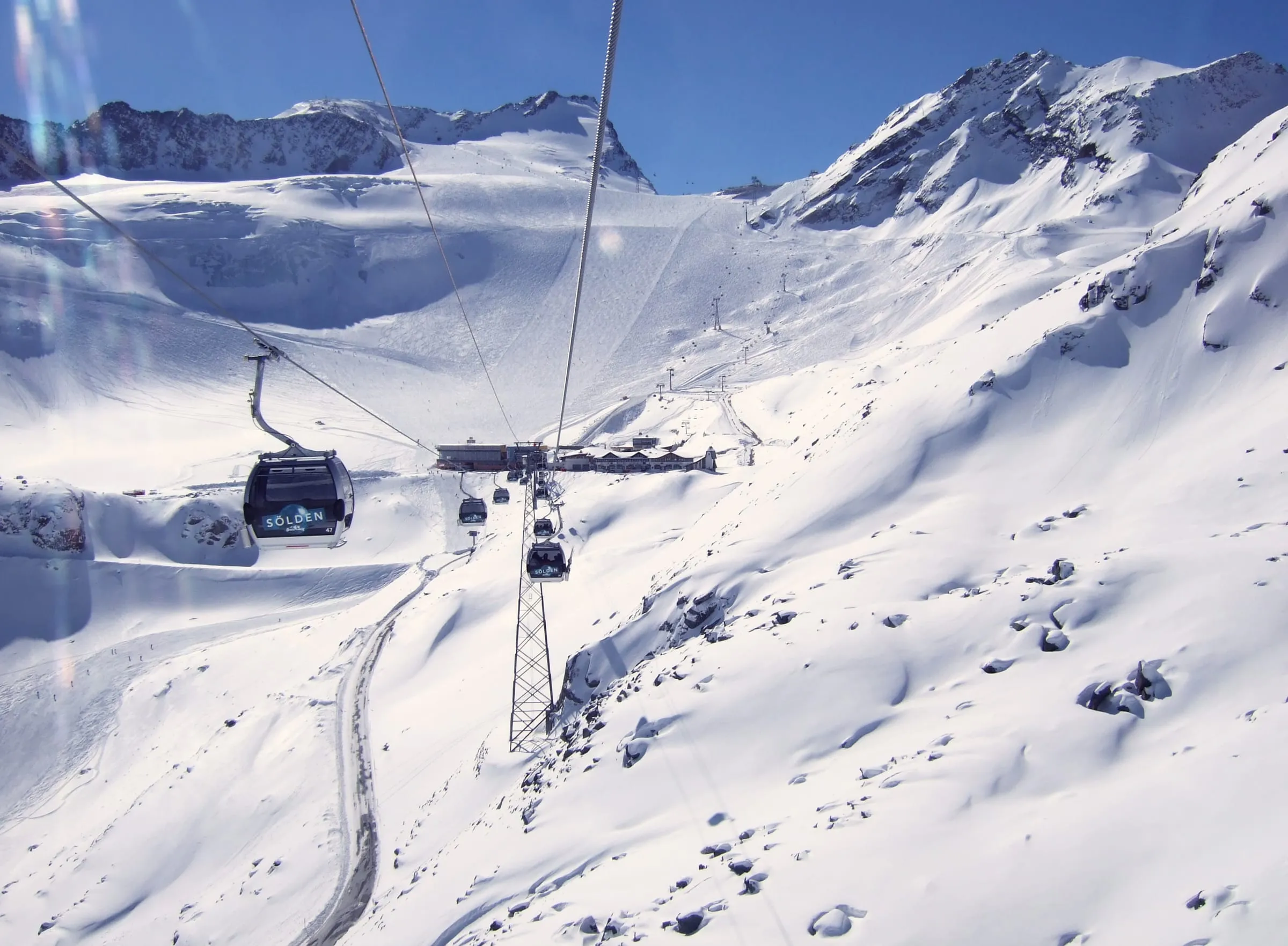
5. Sölden: two glaciers, Austria’s safest bet
Sölden skis from 1,350 m to 3,340 m at the Schwarze Schneide, and has two glaciers: the Rettenbach (2,675 to 3,250 m) and the Tiefenbach (2,795 to 3,249 m). The lift company’s 2026/27 price list runs the winter season from 12 November 2026 to 18 April 2027, and it lists spring skiing on the glacier to 2 May. The first weeks, to 4 December, are subject to snow.
It’s the Austrian resort to book for November or late April. The catch is the bottom: in March and April the runs to the village at 1,350 m go slushy by mid-afternoon, so plan to ride the gondola down. We have no slopes station inside Sölden’s own ski area. See our Sölden guide, or sleep high at Hochsölden (below).
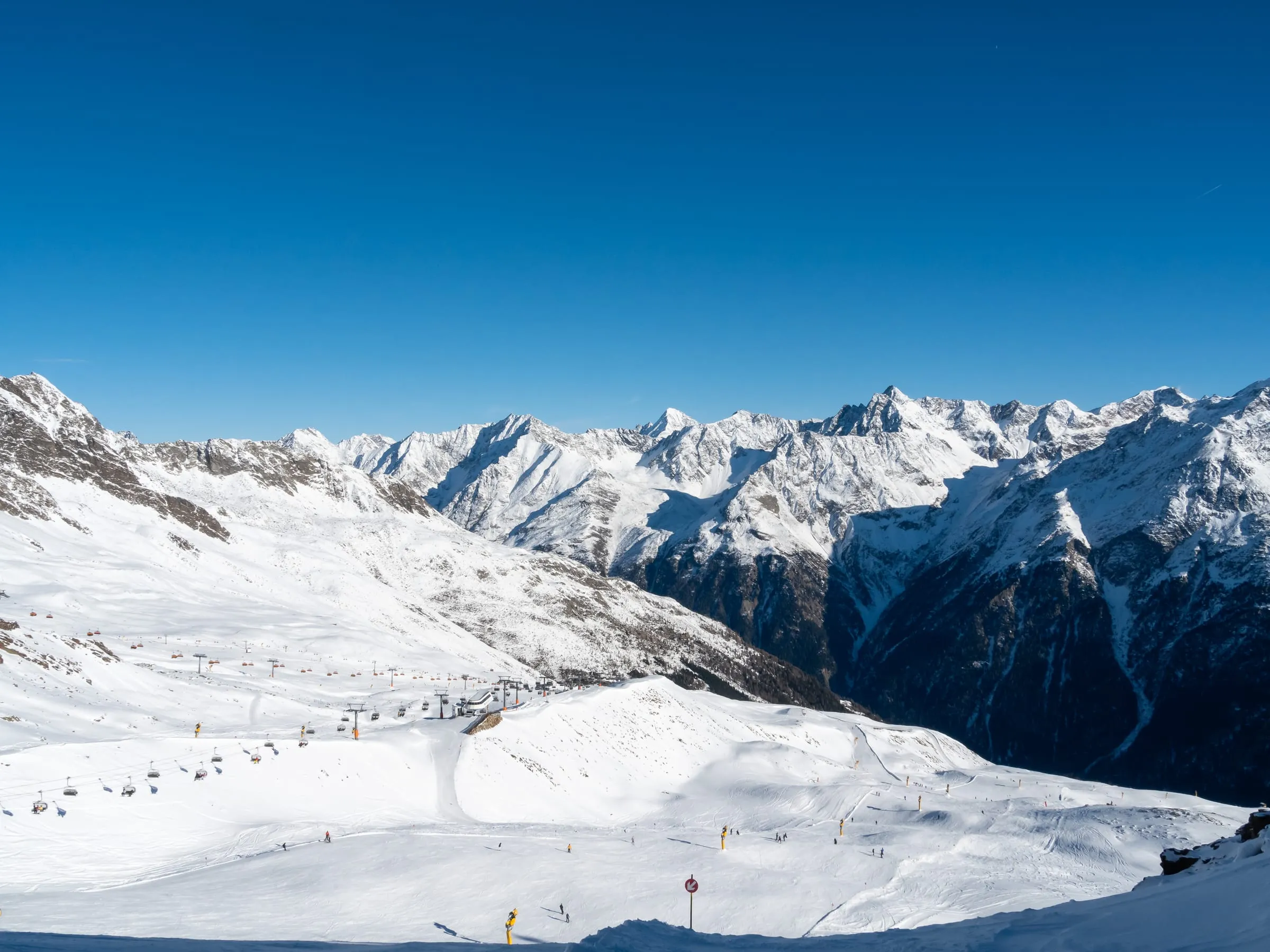
6. Val d’Isère: north-facing, and it shows
Val d’Isère’s village is at 1,850 m and the lift company puts about 60% of its slopes above 2,000 m, less than Tignes. What lifts it up the list is aspect: the tourist office says the slopes are mostly north-facing, which keeps the snow cold, and more than 65 km of runs have snowmaking. The Pissaillas glacier reaches just under 3,200 m. The 2026/27 season runs from 28 November 2026 to 2 May 2027.
It suits good skiers who want reliable snow and a proper village; expect a smaller area open until mid-December. See our Val d’Isère guide.
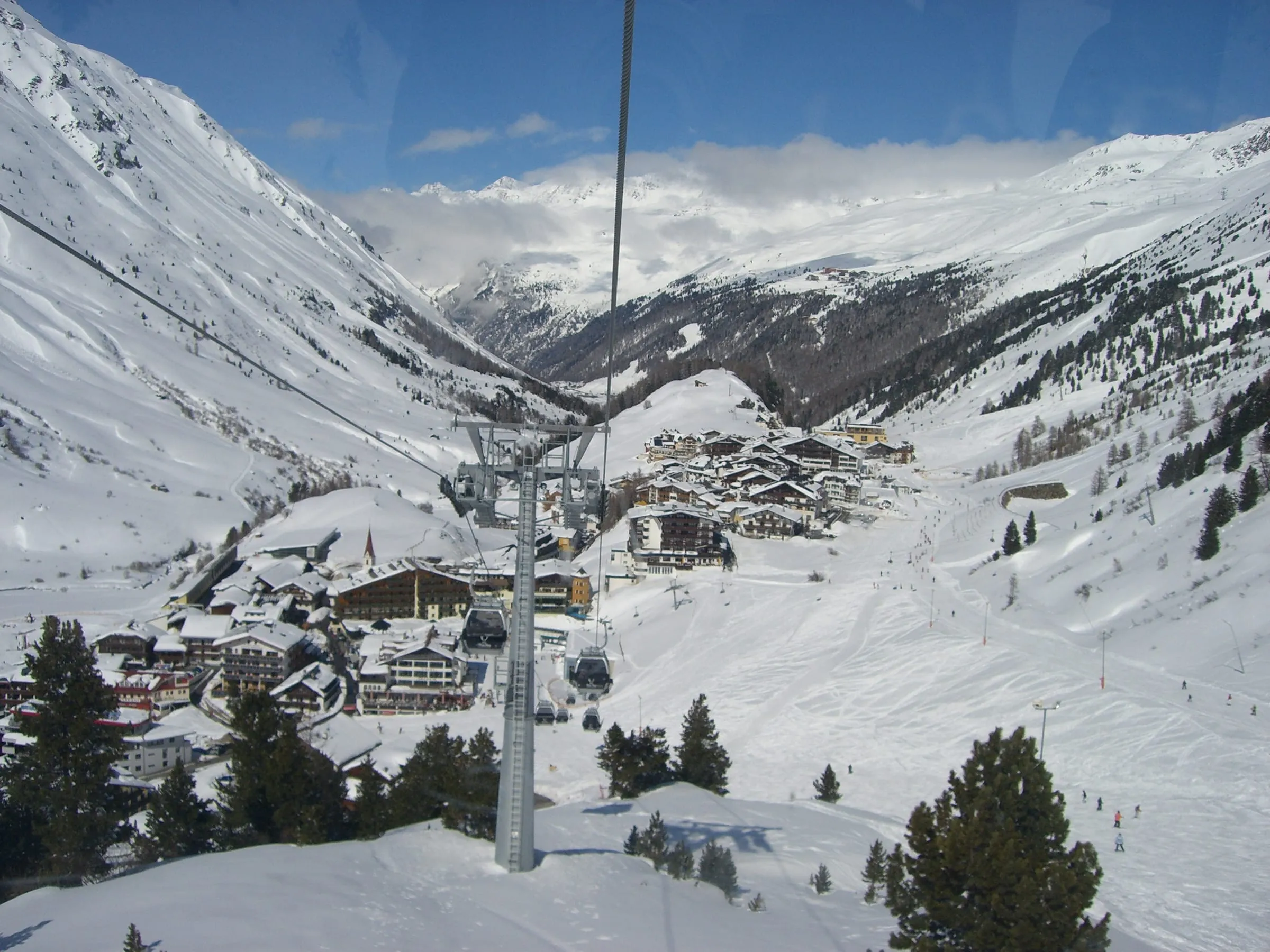
7. Obergurgl-Hochgurgl: high villages, snow at the door
Obergurgl-Hochgurgl has no glacier, but almost nothing here is low. The lift company gives 112 km of pistes between 1,800 m and 3,030 m at the Top Mountain Star; Obergurgl village is at 1,930 m, Hochgurgl’s hotels at 2,150 m, and the only skiing below about 1,900 m is the end of the run to the Hochgurglbahn valley station at Pill. More than 90% of the pistes have snowmaking, fed by five reservoirs, according to the lift company. The 2026/27 season runs from 19 November 2026 to 18 April 2027, with a pre-season to 4 December when what opens depends on the snow.
The GeoSphere Austria station in the village (1,941 m) shows what that altitude means at the door: every week from late January to mid-March averaged at least 30 cm of natural snow in every season on record. It’s the resort for families and intermediates who want snow right down to the hotel. The catch is the size and the ends of the season: 112 km is small next to the leaders, and the lifts close two weeks before the high French resorts. On passes of three days or more, Sölden’s glaciers are 30 minutes down the valley by bus. See our Obergurgl-Hochgurgl guide, its snow report and Obergurgl-Hochgurgl with kids.
8. St Anton: the most natural snow, the least altitude
St Anton is the surprise of our data. At the Galzig station (2,079 m), over five seasons, the average natural depth was 125 cm in December and 176 cm in March, the highest in our records every month. The tourist office says 88% of the pistes can be covered by snowmaking.
So why eighth? The village is low at 1,304 m, so the runs home rely on snowmaking in a thin or warm spell, there’s no glacier, and Ski Arlberg’s season is shorter than the leaders’: 2 December 2026 to 18 April 2027. For January to March, there are few safer places for good skiers. For the first or last week, book higher. Read our St Anton guide and St Anton or Ischgl.
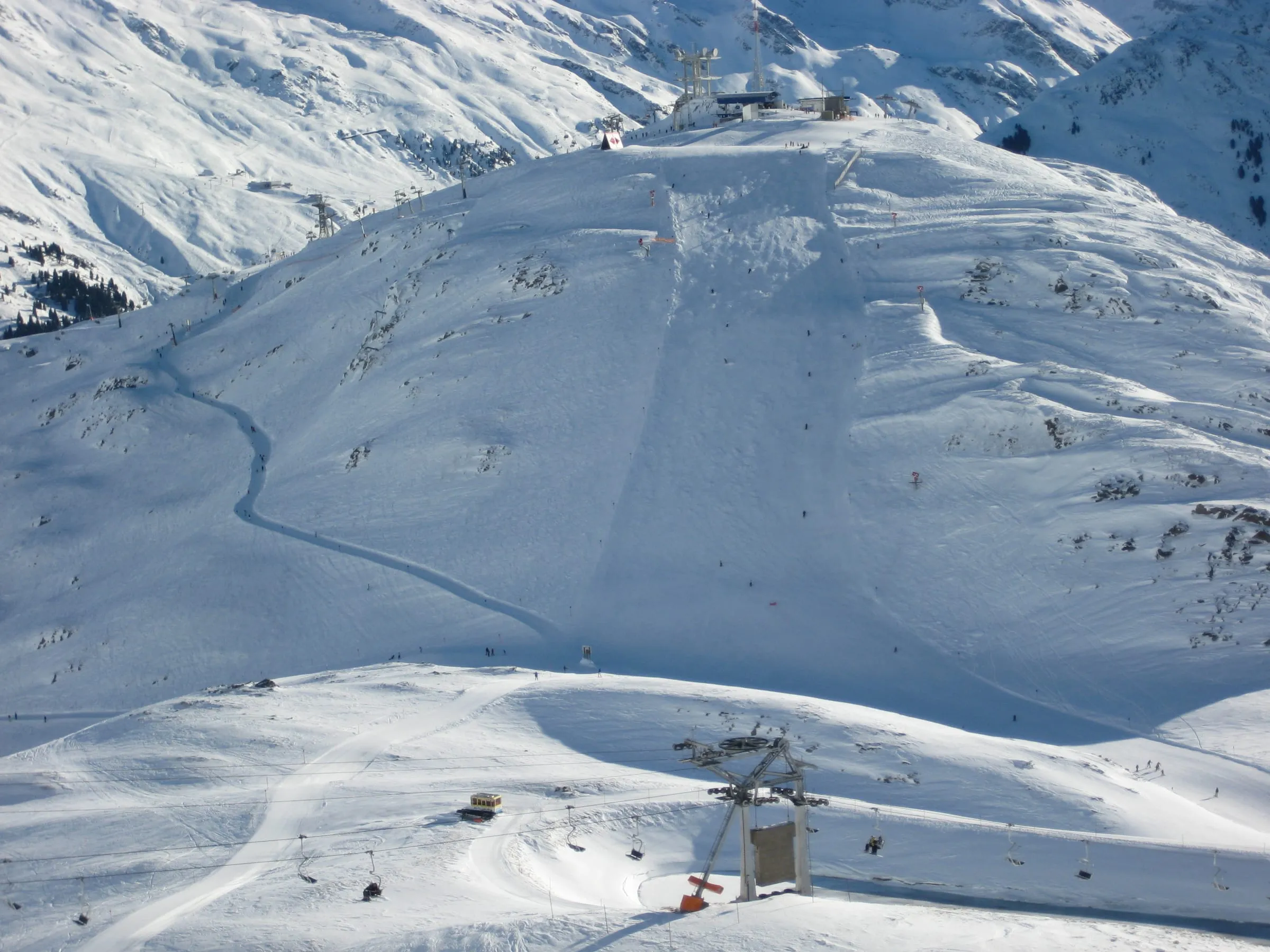
9. Ischgl: high skiing above a low village
Ischgl’s village is at 1,377 m, but almost all the skiing is above 1,900 m and much of it above 2,000 m, to 2,872 m. The resort says more than 1,100 snow guns back up the natural snow, and the 2026/27 season runs from 26 November 2026 to 2 May 2027, one of the longest in Austria.
It’s a good switch in Tyrol if the forecast is poor elsewhere. The catch is the valley run back to the village, the first to go icy or slushy; ride the gondola down when it does. The big gondolas and the Pardatschgratbahn, which the operator describes as wind-safe, keep you skiing when the ridge chairs stop. We have no slopes station in Ischgl’s area. See our Ischgl guide.
Why the highest resort isn’t always the best bet
Height keeps snow cold and stretches the season, but it comes with costs worth knowing before you book.
- Wind. The highest lifts are the most exposed, and they’re the ones that close. In late November 2026 Val Thorens was opening only part of its area because of strong winds. A high resort with gondolas, funiculars or a railway (Zermatt’s Gornergrat, Tignes’ funicular, Ischgl’s Pardatschgratbahn) loses less skiing on a windy day.
- Flat light. Val Thorens, Tignes 2100 and Breuil-Cervinia sit above the treeline, so cloud means no contrast and no shelter. Resorts with trees below the high ground, such as Val d’Isère and Courchevel, give you somewhere to go.
- Cold. In January the high, open bowls are cold and the snow can be hard-packed. With young children, a slightly lower resort with sheltered runs can be the happier choice; see the best ski resorts for families.
- Where the snow comes from. Our records show the Galzig, at 2,079 m, out-snowing a station nearly 300 m higher above Val Thorens. St Moritz, high as it is, lies in a dry valley and often sees less when storms hit the northern Alps.
Who should look elsewhere
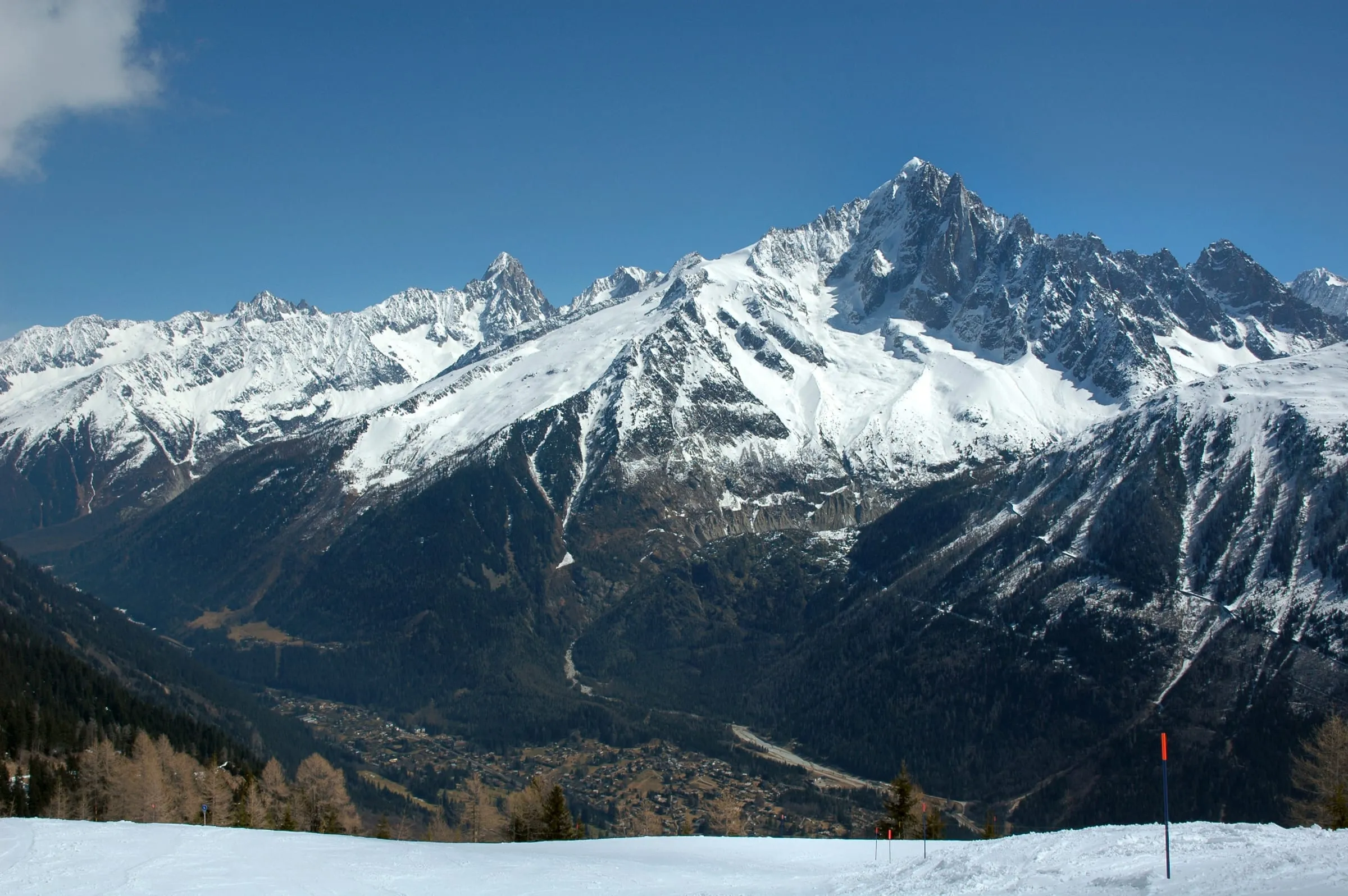
Chamonix narrowly misses our top nine. Its high skiing is excellent, and La Flégère’s station (1,850 m) cleared 30 cm in every recorded season from December to April, but the town is at 1,035 m, the areas are scattered along the valley, and Brévent-Flégère faces south. Ski the north-facing Grands Montets, open to 2 May 2027, for the best snow.
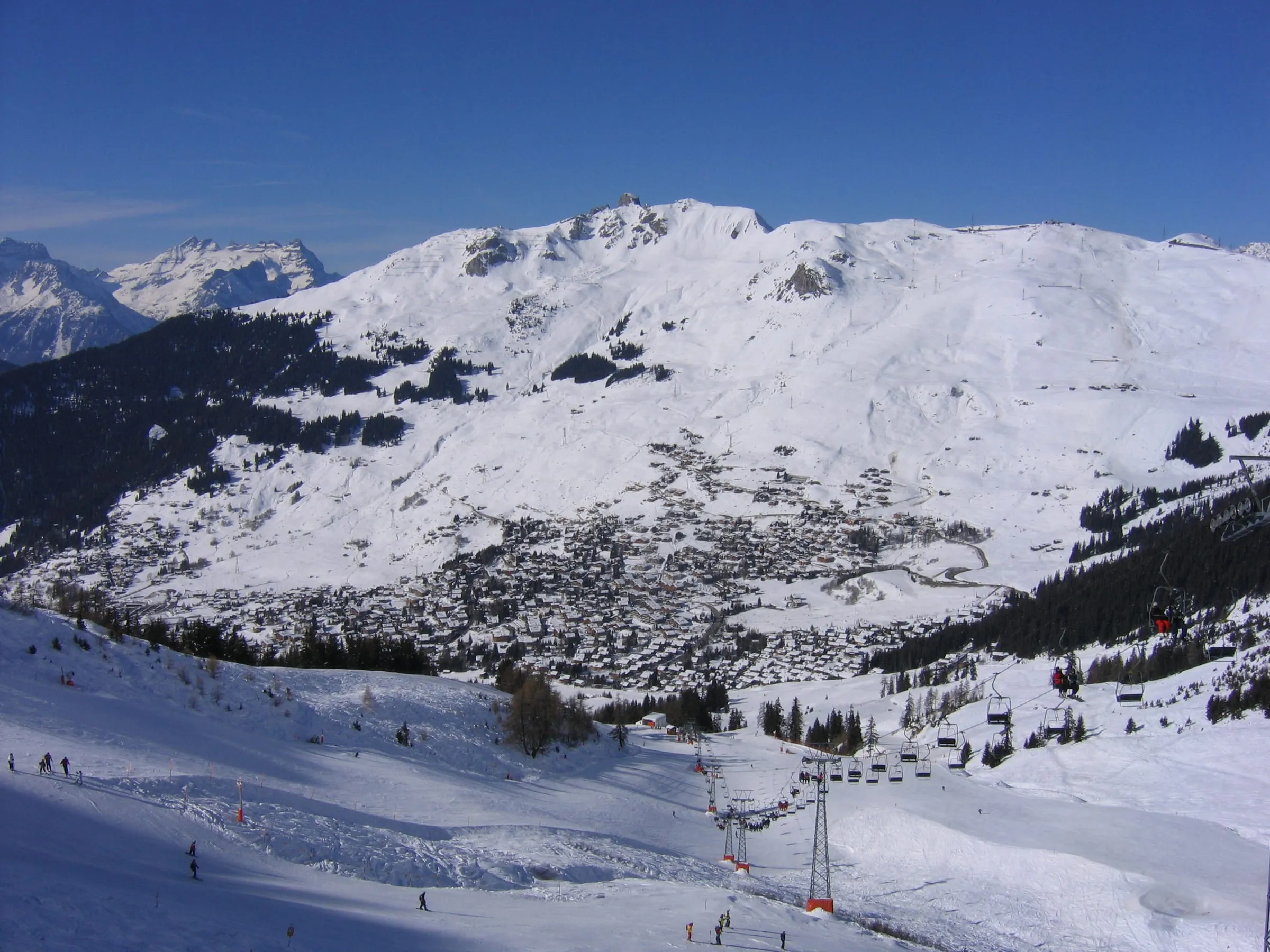
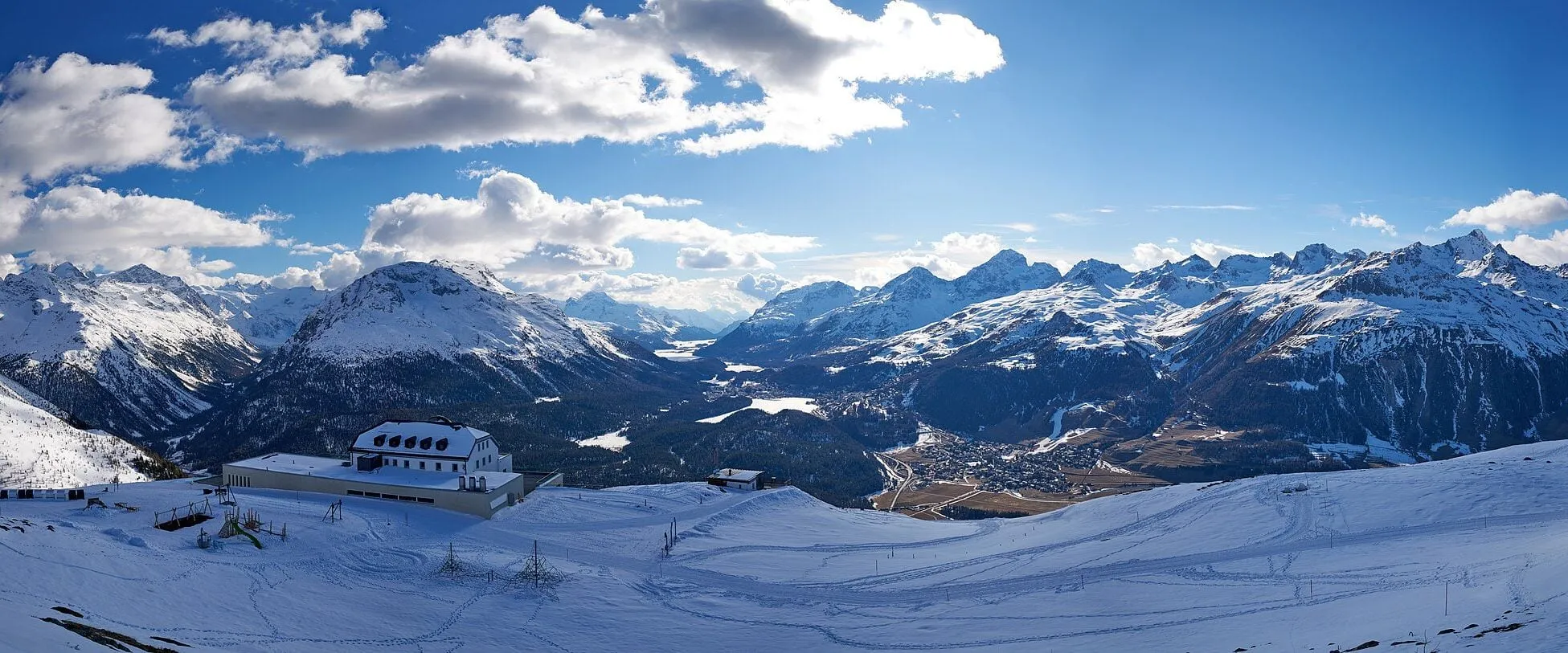
Verbier and St Moritz are both high: most of Verbier’s skiing is above 2,200 m, and St Moritz’s Corviglia lifts run between 2,000 and 3,057 m, with Corvatsch reaching 3,303 m. Both are reliable for most of the winter, less so for April: Verbier’s runs to Médran soften fast, and St Moritz trades powder for sun. Compare them in Zermatt, Verbier or St Moritz.
Les Arcs is high where it counts, with about 70% of its pistes above 2,000 m and the Aiguille Rouge at 3,226 m, but it has no glacier ski area, its lifts don’t open until 12 December 2026, and its best-known descents run down to 1,200 m at Villaroger. It’s reliable from January to the 24 April close; for early December or late April, Tignes up the valley is the safer bet.
Courchevel and Méribel are reliable from mid-December to the end of March, but close on 18 April and have low runs home (Le Praz, La Tania, Méribel Village). In a lean spell, stay in Mottaret or 1850 and ski towards Val Thorens.
Kitzbühel, Mayrhofen, Val Gardena and Grindelwald are lovely mid-winter resorts, not bankers for December or April. Kitzbühel’s skiing runs from 800 to 2,000 m; Grindelwald’s sits mostly between 1,600 and 2,300 m. They answer with snowmaking: KitzSki has more than 1,260 snow guns and refunds days you can’t ski for lack of snow on passes bought online by 19 December 2026 for Premium-season dates. Mayrhofen’s safety net is the Hintertux glacier up the valley, covered by passes of two days or more. Cortina has high ground to 3,244 m but a town at 1,224 m and no glacier, and its weather is the Dolomites’, not the northern Alps’. Alta Badia is a good groomed-piste bet in a dry winter, thanks to gentle runs and snowmaking, but most of its skiing is between 1,500 and 2,250 m and the lifts close on 4 April 2027.
How to check the snow before you book
- Look at the resort’s snow report. Every resort we cover has one, and the Alps snow report ranks them all: for example Val Thorens, Tignes, Zermatt, Breuil-Cervinia, Sölden and St Anton. Each shows the latest depth at official stations, with the station, its altitude and the time of the reading.
- Check what’s open, not just the depth. Early and late in the season, the lift company’s live list of open lifts and pistes (is the link running, is the run home open?) matters more than a headline depth.
- Read the right forecast, for the resort’s own region: a storm in Tyrol may miss the Dolomites.
- Book higher the further ahead you are. Months ahead for early December or April, pick from the top five; a few days out with a good forecast, go wherever the snow has landed.
Booking a snow-sure trip at the last minute
For a late booking, snow certainty lets you wait for the forecast and then go. In late November and the first half of December, Breuil-Cervinia, Zermatt, Sölden, Val Thorens and Tignes are already open. Over Christmas and the February holidays expect the best-known high resorts to be the hardest to book, so if the snow is good everywhere, a resort lower down the list may simply have more rooms. In April, Easter 2027 falls on 28 March, so by mid-April most Easter school holidays are over: Val Thorens, Tignes, Val d’Isère, Ischgl and the Matterhorn ski area are open to 2 May, and that’s when late deals are worth a look. More in last-minute ski holidays and early and late-season skiing.
Where to stay
For snow security, sleep high.
For more, see where to stay in Tignes, where to stay in Sölden and where to stay in Breuil-Cervinia.
Our verdict
If snow on your dates is the one thing you can’t compromise on, book the Matterhorn ski area: Breuil-Cervinia for the higher village and the longer season, Zermatt for everything else. In France, Val Thorens and Tignes are as safe as it gets. In Austria, Sölden is the glacier bet, Obergurgl-Hochgurgl has the highest villages and St Anton has the deepest natural snow in our records, provided you’re not going in the first or last week. Then check the snow report a week before you go, because the most reliable resort is still the one where it has just snowed.