France
 Austria
 Italy
 Switzerland
 English
 Deutsch
 Nederlands
 Čeština
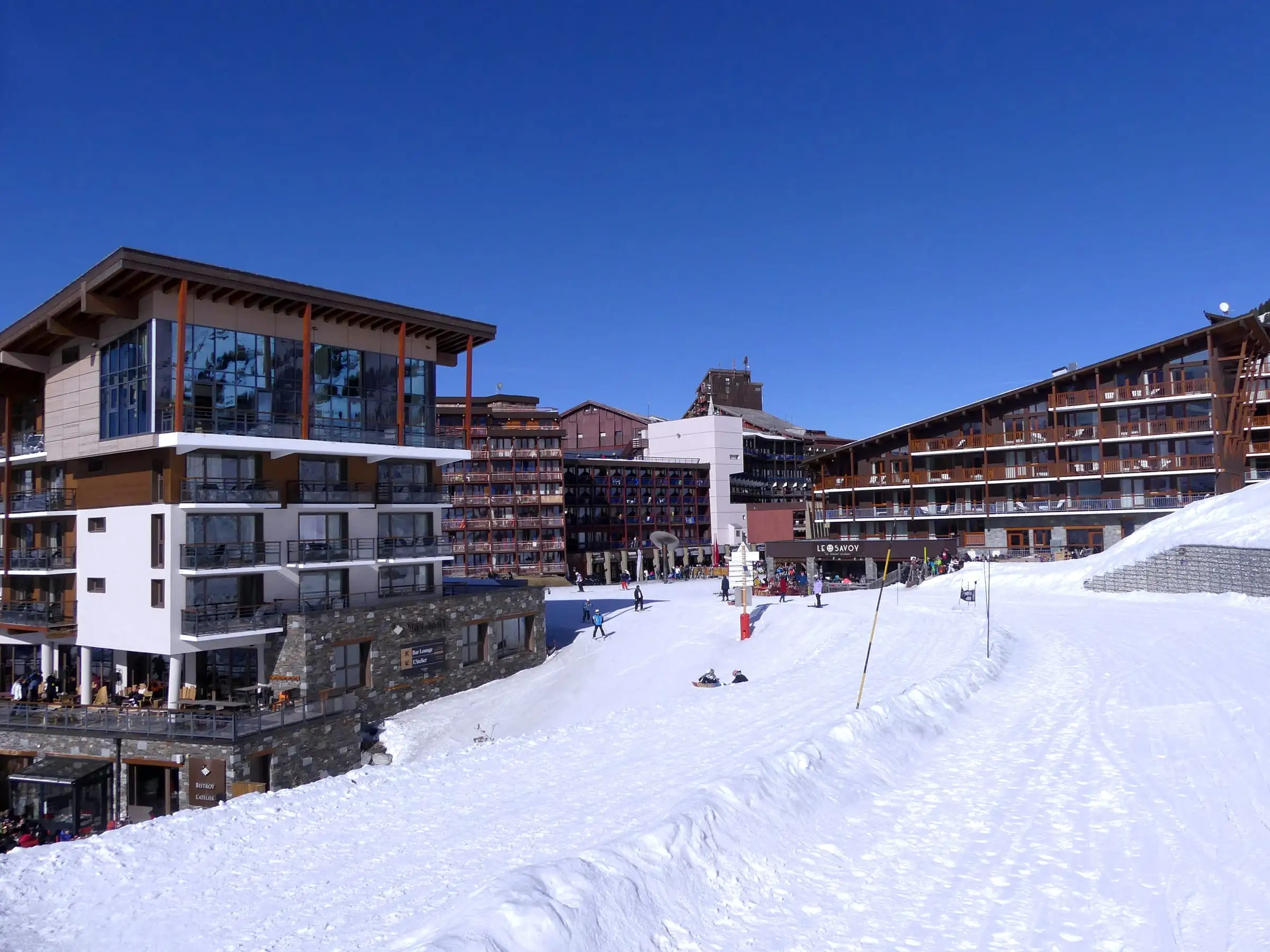
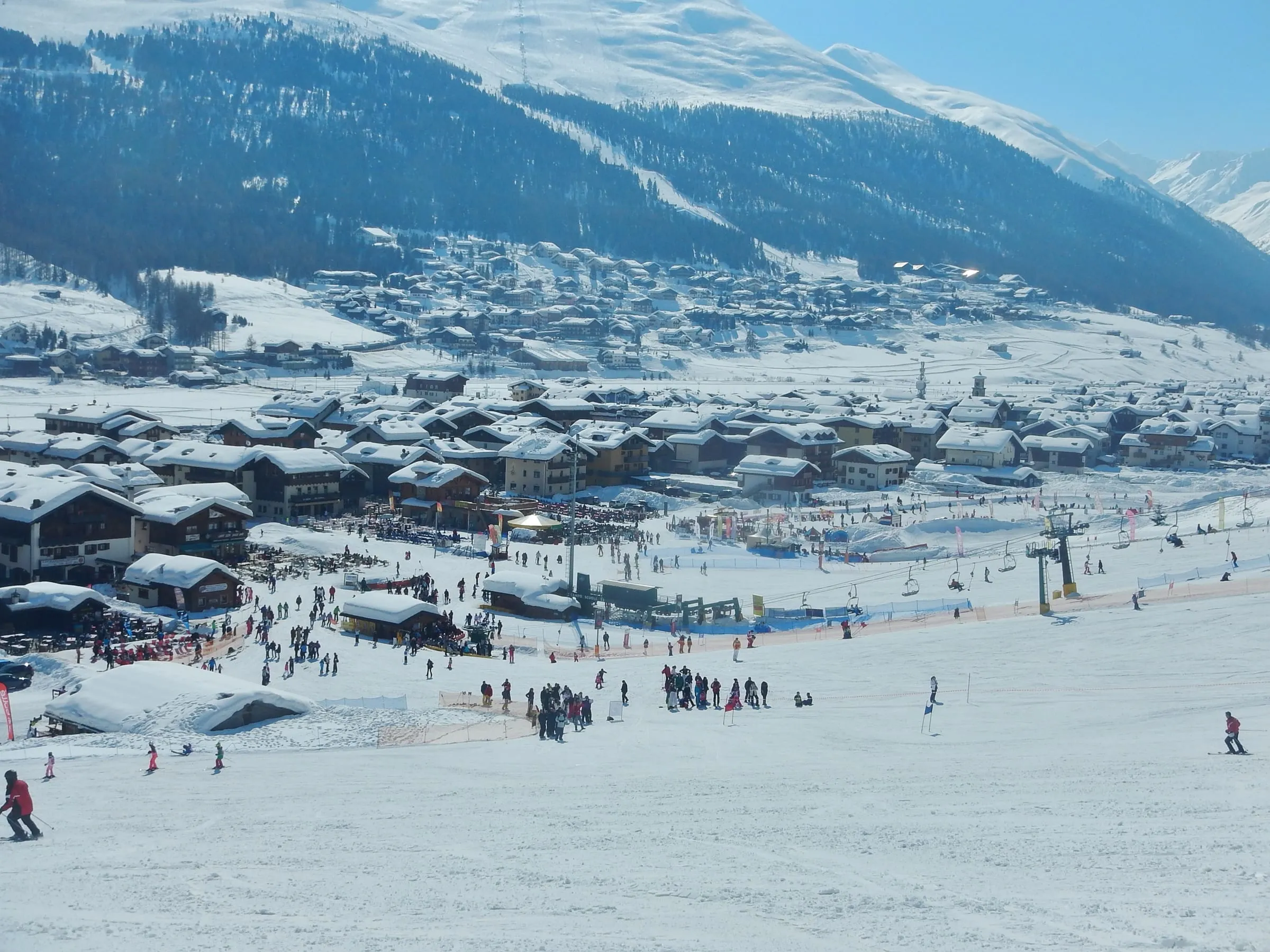
Les Arcs’ pistes run from 1,200 m at Villaroger to 3,226 m on the Aiguille Rouge, the tourist office puts about 70% of them above 2,000 m, and there’s no glacier ski area to fall back on. For 2026/27 the lifts run from 12 December 2026 to 24 April 2027, with the Vanoise Express link to La Plagne until 17 April.
How snow-sure is Les Arcs?
Snow-sure enough for a booking from mid-December to late April: the tourist office says the resort has closed at the end of April for more than ten years. What it can’t do is match the very highest resorts at the edges of the season. Tignes, up the valley, has its main villages at 2,100 m and the Grande Motte glacier, so it opens three weeks earlier, on 21 November 2026.
The strength of Les Arcs is how much of the skiing is high. The Arc 2000 bowl and the slopes up to the Col de la Chal (2,600 m), the Grand Col (2,832 m) and the Varet sit well above the villages, and that is where most of the 70% above 2,000 m lies. The weakness is the long descents that make it special: Villaroger at 1,200 m, the runs down through the trees to Arc 1600, and the Peisey-Vallandry side around 1,600 m are the first to suffer in a dry or warm spell.
There’s no long-running official weather station on the Les Arcs slopes in our records, so we judge its snow on altitude and the resort’s own reports rather than on station averages.
The best time to ski Les Arcs for snow
- December: The lifts open on 12 December 2026, with 15% off passes that week. Cover depends on November and December snowfalls; the high runs above Arc 2000 are usually the first to be fully open. Christmas is busy.
- January: Our pick. Midwinter cold keeps the snow in good shape, and the slopes are quiet after the New Year week.
- February: Midwinter conditions, but the French holidays (6 February to 8 March 2027) bring the crowds.
- March: Long days and still-good cover high up. Easter Sunday is on 28 March 2027.
- April: Spring snow: firm in the morning, soft by lunch. The low runs to Villaroger, Arc 1600 and Peisey-Vallandry thin first, and La Plagne’s link closes on 17 April. The rest of the lifts run until 24 April.
Where the snow is best in Les Arcs
Head high and stay high. The Varet gondola from Arc 2000 and, on a clear day, the Aiguille Rouge cable car to 3,226 m reach the highest snow in the area; the long blue Vallée de l’Arc runs bring you back down to Arc 2000 and Arc 1950. The Grand Col and Plagnettes chairlifts serve more high slopes above Arc 2000, around the Col de la Chal, and the Transarc gondola gets skiers from Arc 1800 up there quickly.
The runs to watch late in the season are the lowest: the Aiguille Rouge descent’s final section to Villaroger at 1,200 m, the runs below Arc 1600 towards Les Granges, and the bottom of the Peisey-Vallandry side. Check the live lift and piste status before you plan a day around them.
If the snow is poor in Les Arcs
Stay in the Arc 2000 bowl and the slopes around the Col de la Chal, which hold their cover best, and save the long descents for a better week. On a grey day after fresh snow, the forest above Arc 1600 and on the Peisey-Vallandry side gives the best visibility. If cover is thin across the board, the Essential pass lets you try La Plagne over the Vanoise Express until 17 April. For a higher resort altogether, Tignes and Val Thorens are the obvious alternatives.
Webcams and official snow reports for Les Arcs
The lift company’s live lift and piste page shows what’s open across all 52 lifts, and its webcams cover the Aiguille Rouge, the Varet, the Col de la Chal, the snowpark, the Grizzly chairlift at Peisey-Vallandry and the Vanoise Express. For the skiing itself, see our Les Arcs ski guide and where to stay.