France
 Austria
 Italy
 Switzerland
 English
 Deutsch
 Nederlands
 Čeština
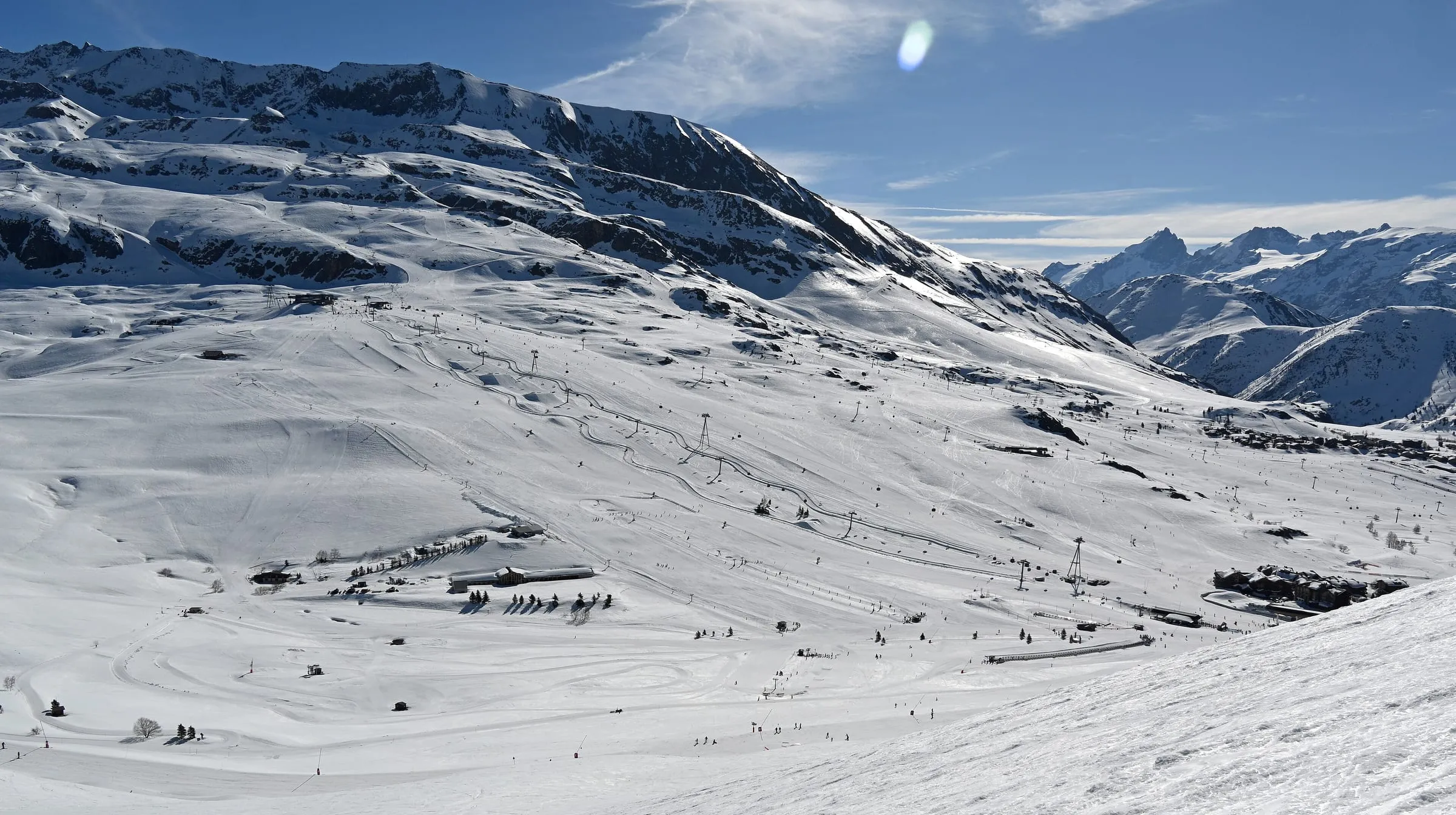
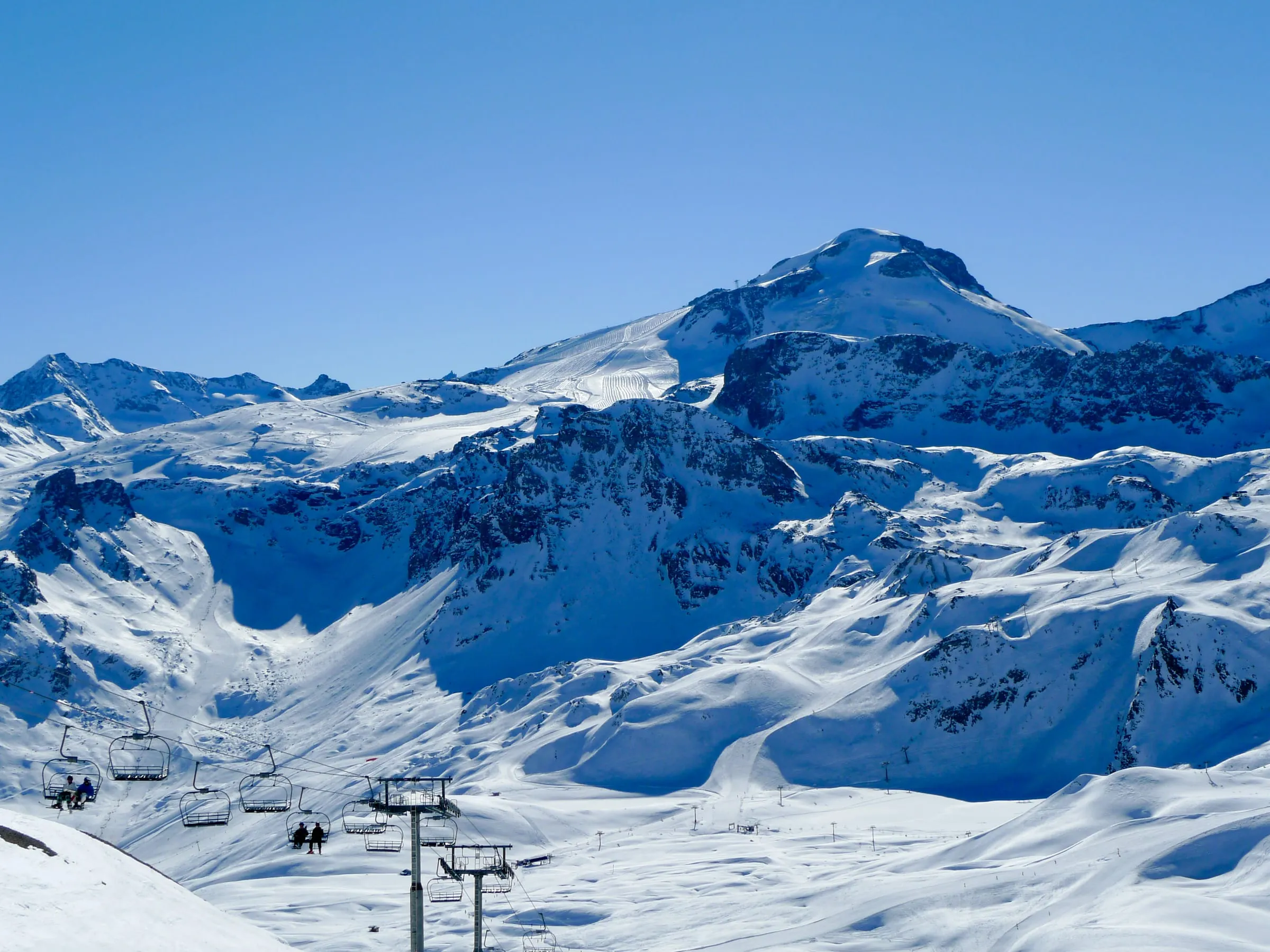
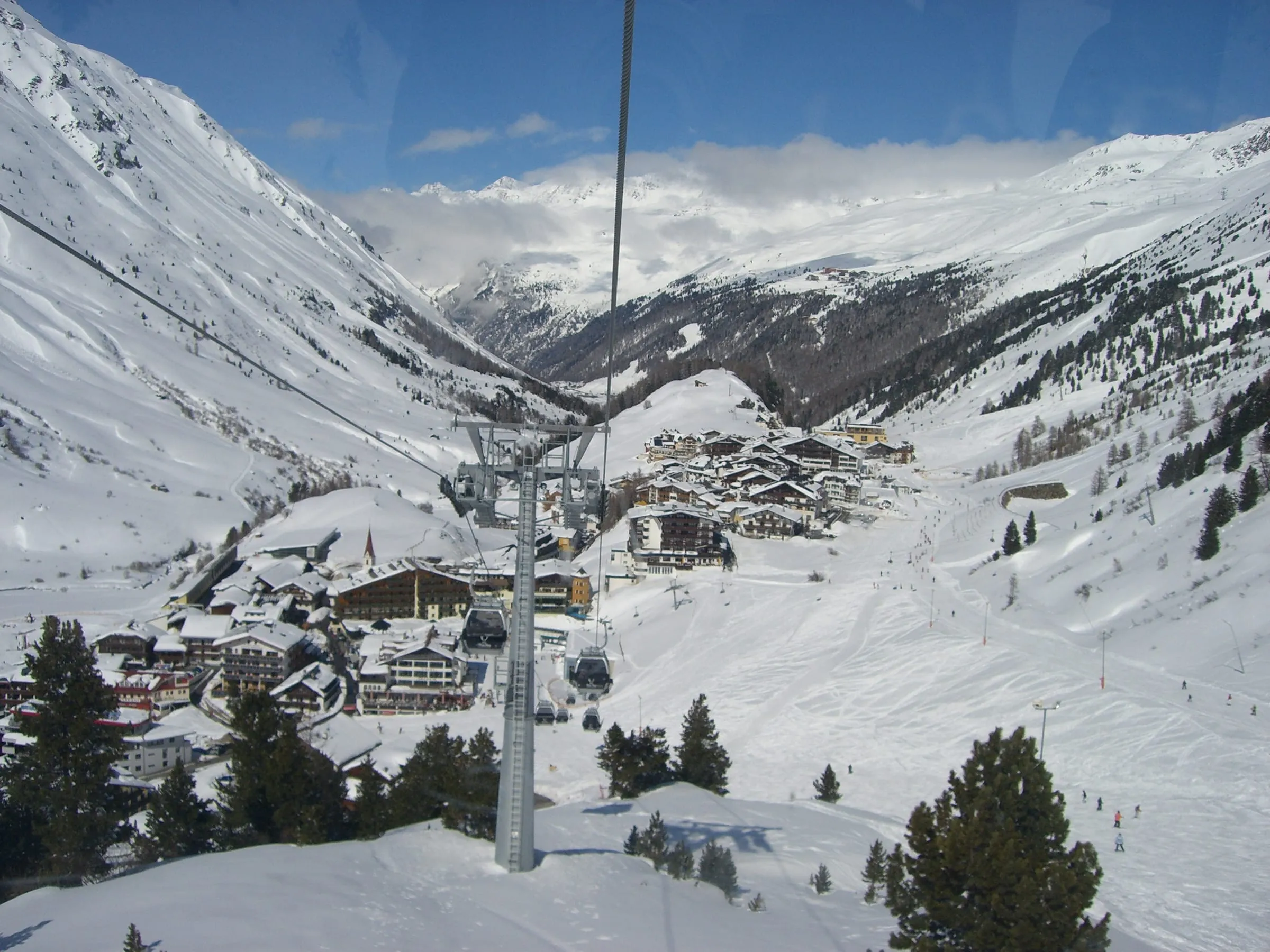
Tignes’ pistes run from 1,550 m at Les Brévières to 3,456 m on the Grande Motte glacier, the tourist office puts 93% of them above 2,000 m, and about 400 snow guns lay a base early in the season. For 2026/27 the resort is open from 21 November 2026 to 2 May 2027, with the Val d’Isère link from 28 November.
How snow-sure is Tignes?
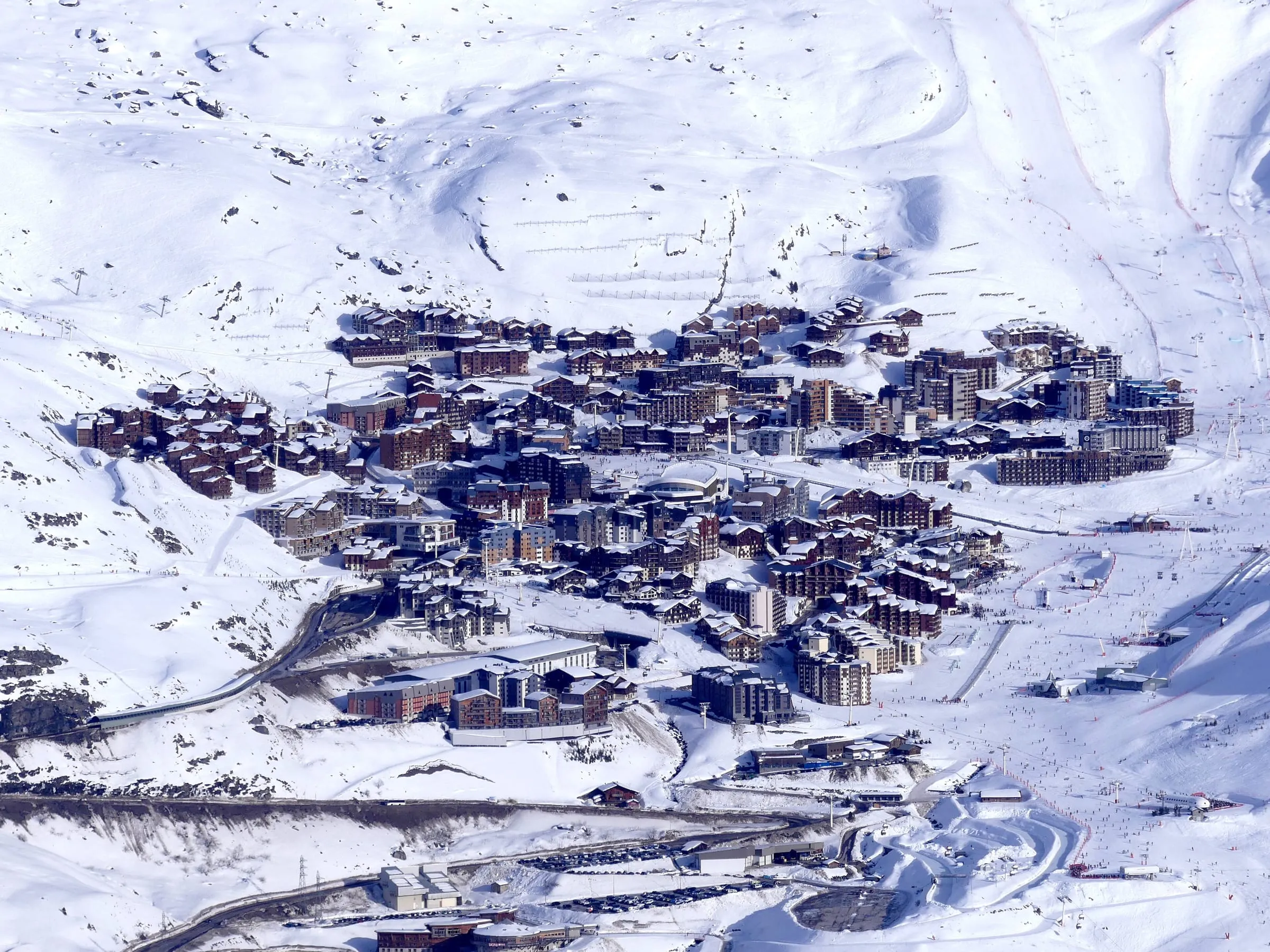
As sure as anywhere in France. The heart of the resort is over 2,100 m, the tourist office quotes an average snowfall of around 669 cm a year, and the Grande Motte glacier opens in November and keeps going until May. Only Val Thorens matches it for altitude, and it has no lift-served glacier.
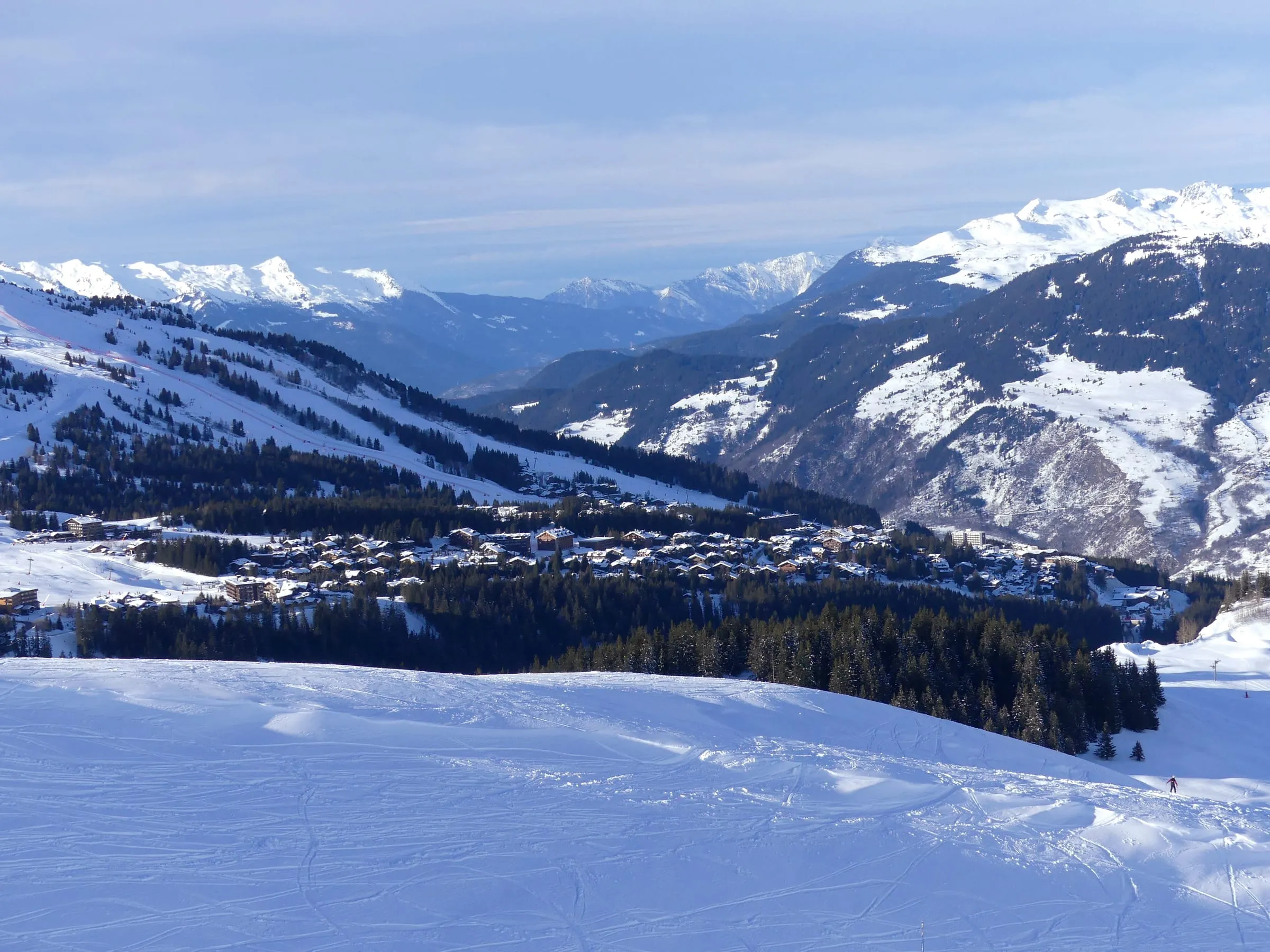
Val d’Isère shares the lifts and the pass, so on a 300 km area the two together give you a choice of north-facing slopes, high glacier terrain and, low down, trees. Tignes’ side is the higher one.
None of the official weather stations near Tignes with five seasons of records stands on its slopes (the nearest is in the village of Val d’Isère), so we judge it on altitude and the tourist office’s figures.
The best time to ski Tignes for snow
- Late November and early December: the Tignes area opens progressively from 21 November, subject to snow, and the link to Val d’Isère from 28 November. Early-season passes are cheaper until 11 December.
- Mid-December to January: usually full cover. Christmas weeks are busy; January is cold, quiet and good value.
- February: deep snow but busy, with French holidays from 6 February to 8 March 2027.
- March: our pick for snow and sun, but the Para Alpine World Championships (7 to 19 March 2027) bring extra visitors.
- April and early May: the tourist office expects good cover through Easter, and the lifts run to 2 May. The forest runs above Les Brévières are the first to close; the glacier and the 2,100 m slopes hold longest. Late-season passes are cheaper from 24 April.
Where the snow is best in Tignes
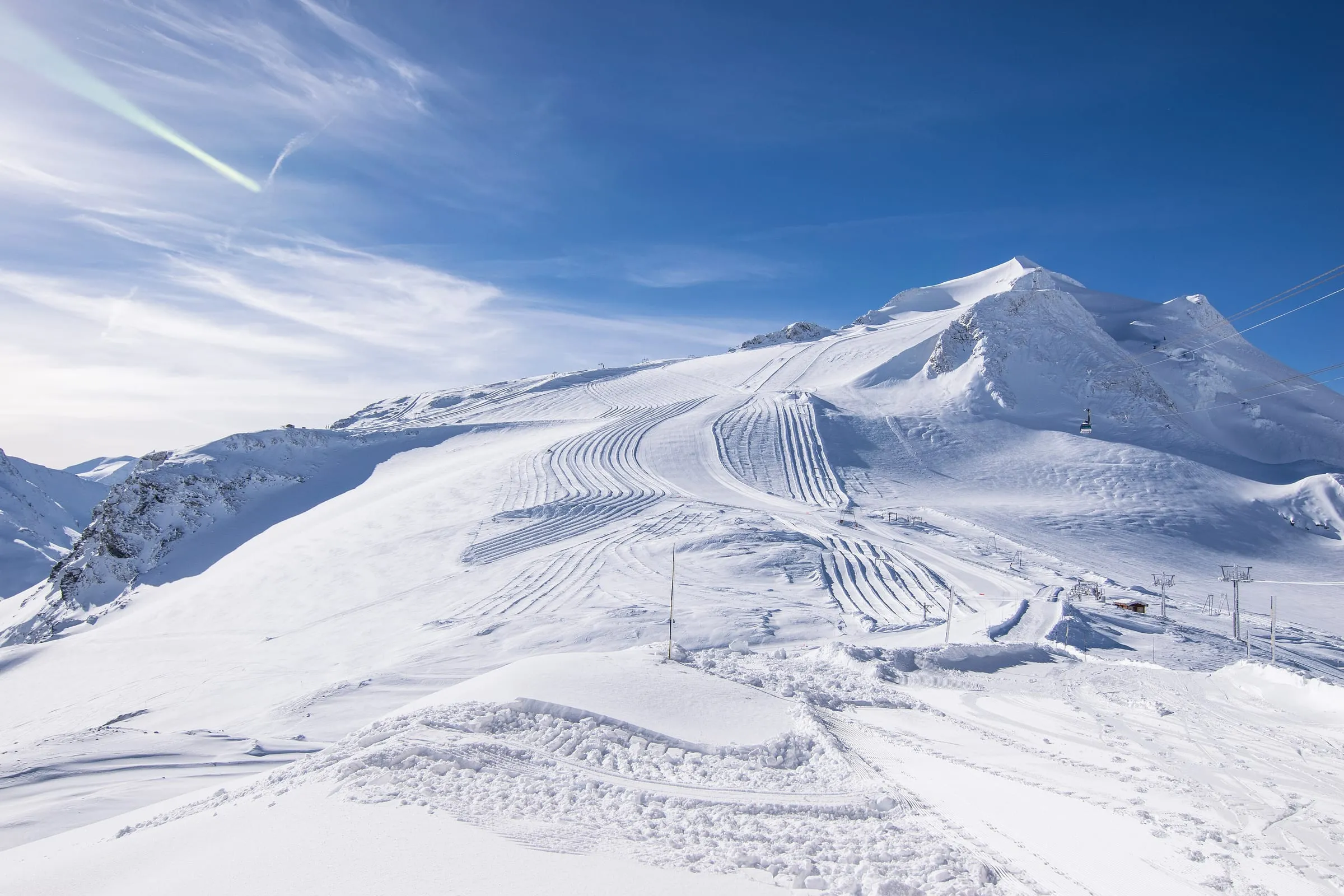
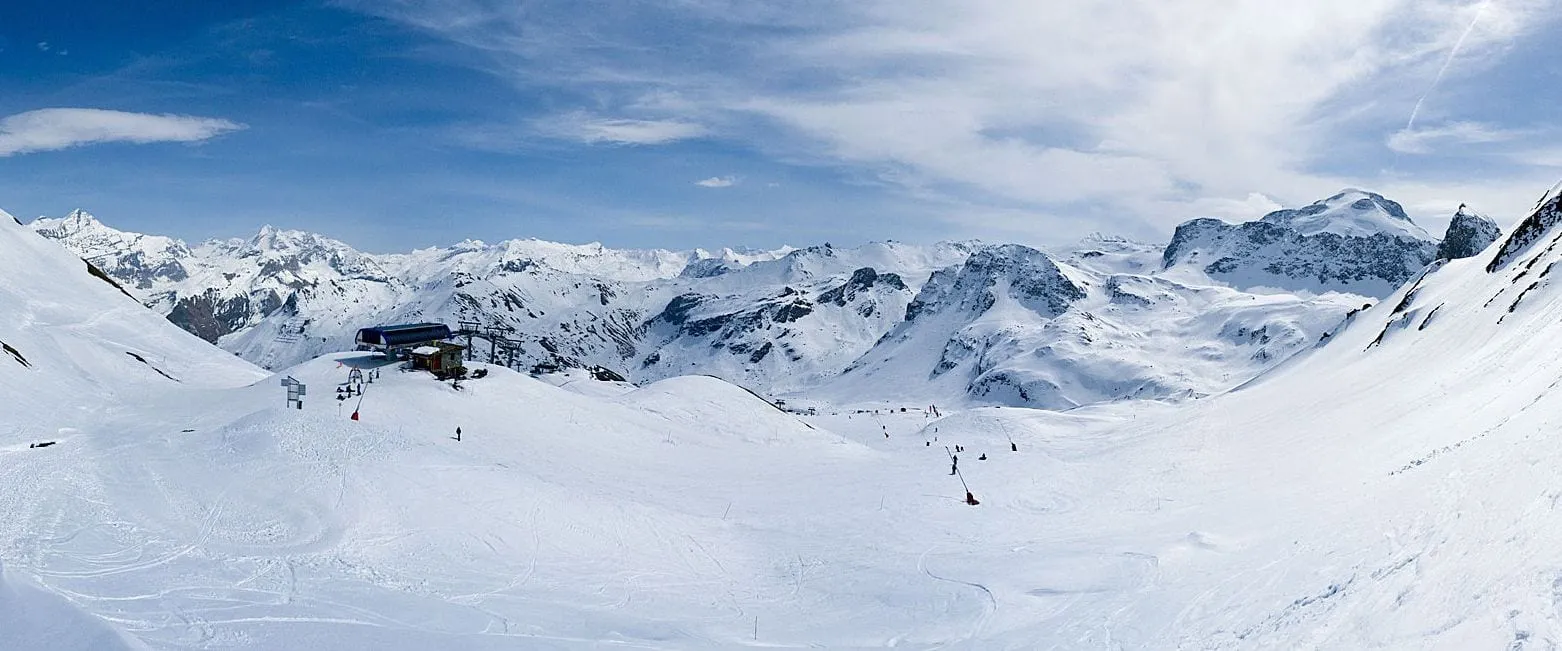
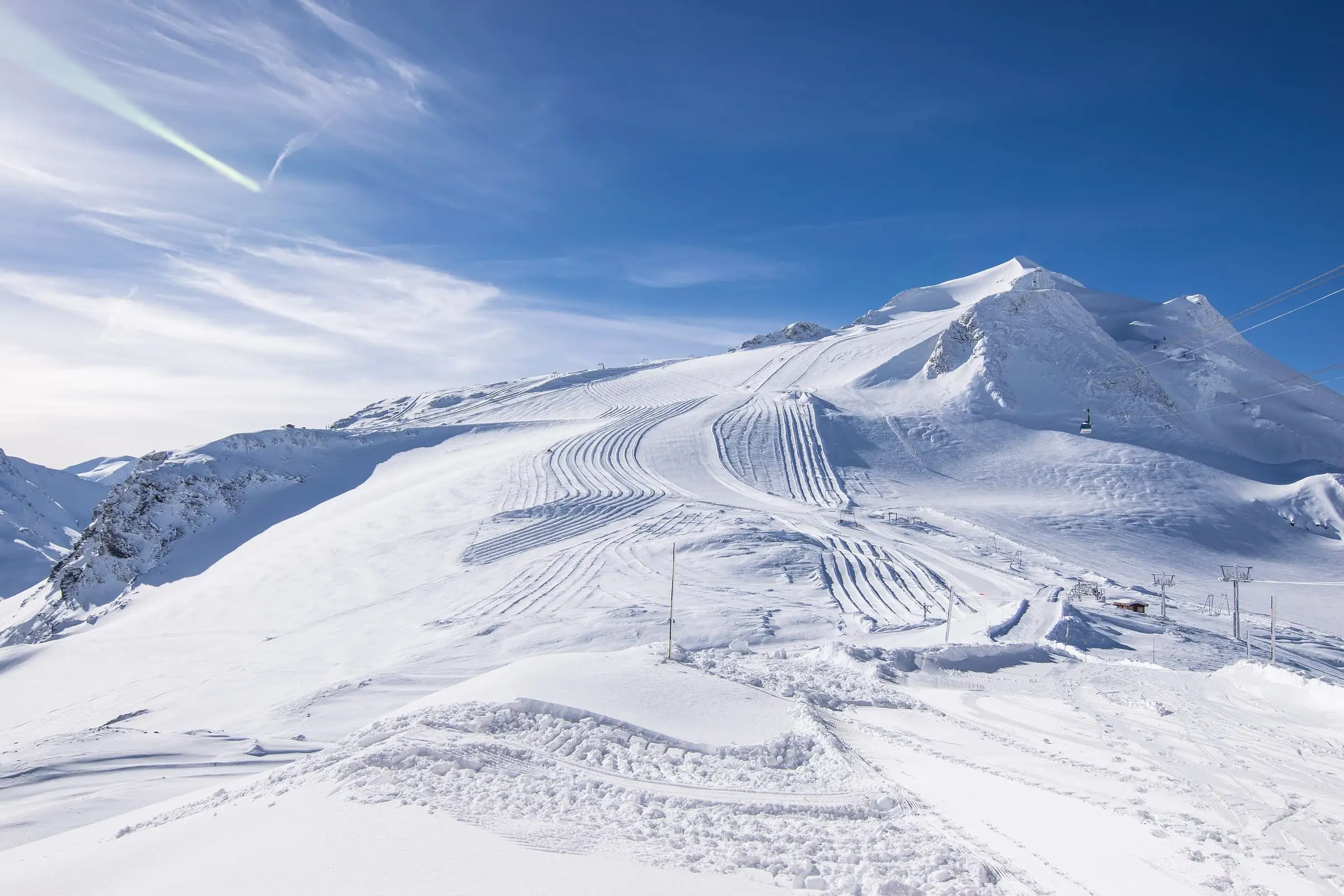
The Grande Motte is the safety net. The Perce-Neige funicular climbs from Val Claret to 3,032 m, and the cable car carries on to 3,456 m; the red Glacier, Double M and Rabotch runs are where the snow stays good longest. The Palet and Aiguille Percée sector above Le Lac (up to 2,748 m) and the Tovière ridge (2,704 m) also hold well.
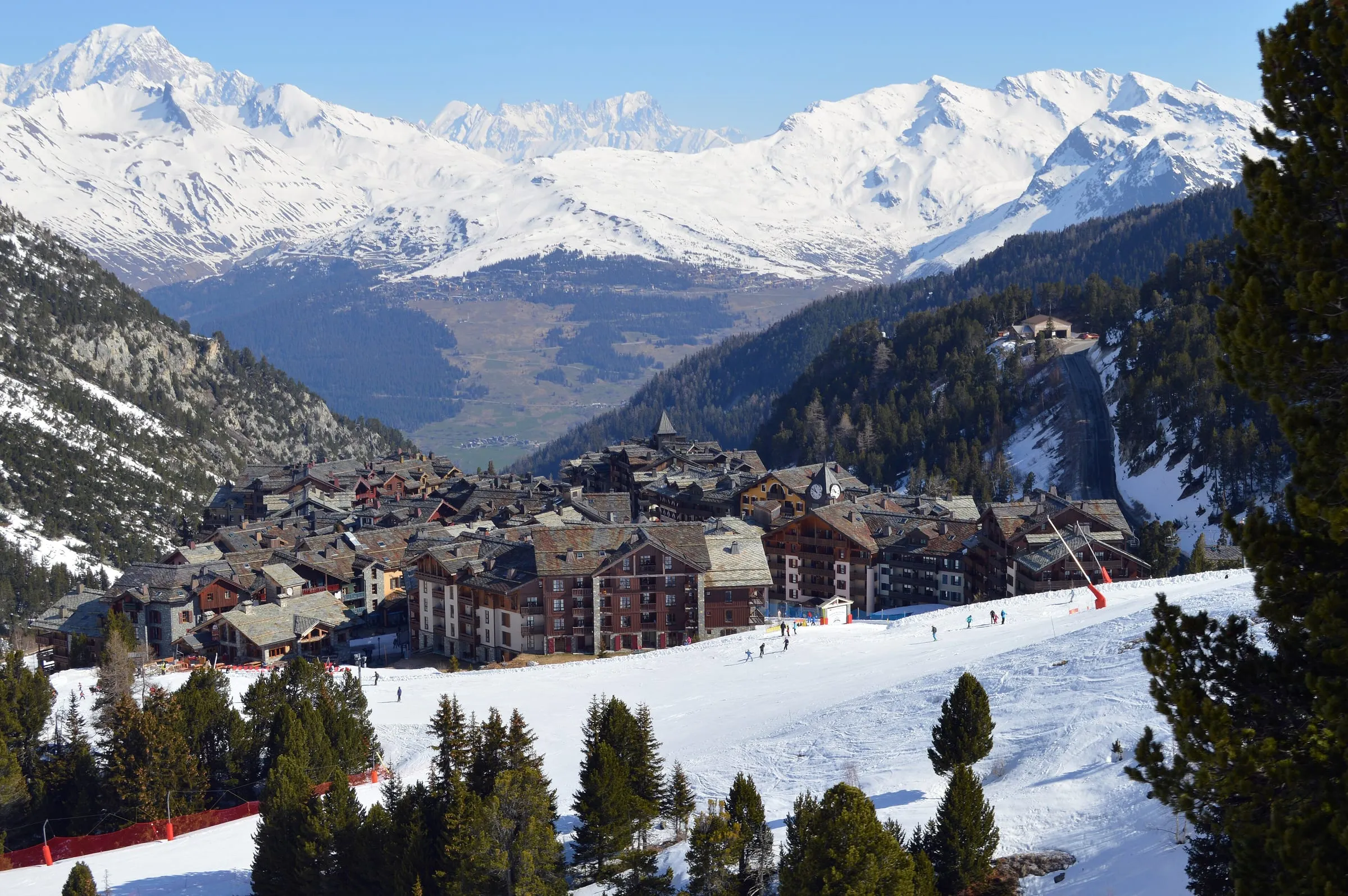
The low runs go first: the forested reds above Les Brévières (Mélèzes, Chardons and Pavot) and the slopes around Tignes 1800. They are also the best skiing in Tignes on a grey day, which makes them worth checking on the live piste map before you head down.
If the snow is poor in Tignes
It rarely is; wind and flat light are the usual problems. The Perce-Neige funicular runs inside the mountain, so it keeps going in wind that stops the exposed Grande Motte cable car and the high chairs. In poor visibility, head for the trees above Les Brévières. For a day off, the Le Lagon aquatic centre is at Tignes le Lac.
On the same pass, Val d’Isère’s Pissaillas glacier is the other high option. Val Thorens, in Les 3 Vallées, is the high alternative on a different pass. See our Tignes guide and where to stay.
Webcams and official snow reports for Tignes
The tourist office’s webcams cover the Grande Motte, Les Brévières, Val Claret, Tignes 1800, the Tovière, the snowpark and Le Lac. Its weather page gives the snow depth in the resort and on the glacier, with a link to the avalanche bulletin.