France
 Austria
 Italy
 Switzerland
 English
 Deutsch
 Nederlands
 Čeština
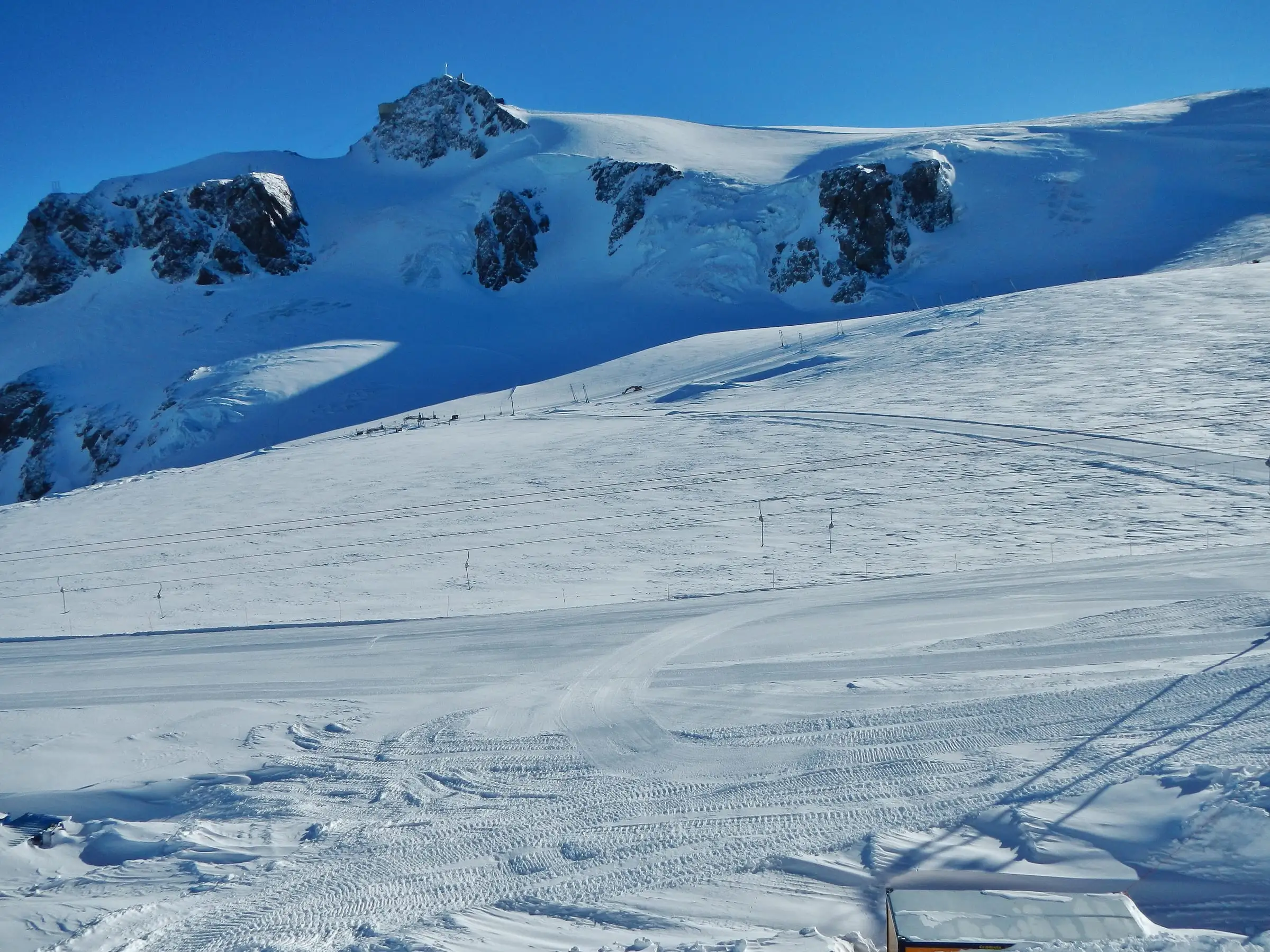
Zermatt’s skiing runs from 1,620 m at the village lift station to 3,883 m at the Matterhorn Glacier Paradise, with a glacier that is skied all year and snowmaking or glacier under 80% of the slopes. For 2026/27 the Matterhorn Express reaches Trockener Steg from 14 November, Rothorn and Gornergrat run from 28 November to 18 April, and the glacier keeps going to 2 May 2027.
How snow-sure is Zermatt?
As snow-sure as anywhere in the Alps. The village sits at 1,608 m, but almost all the skiing is far above it: Sunnegga starts at 2,288 m, Riffelberg at 2,582 m, Trockener Steg at 2,939 m, and the Theodul Glacier holds 21 km of pistes open even in summer. Zermatt Bergbahnen’s factsheet puts snowmaking and glacier together at 80% of its slopes, so the main runs can be built from machine snow when the autumn is dry.
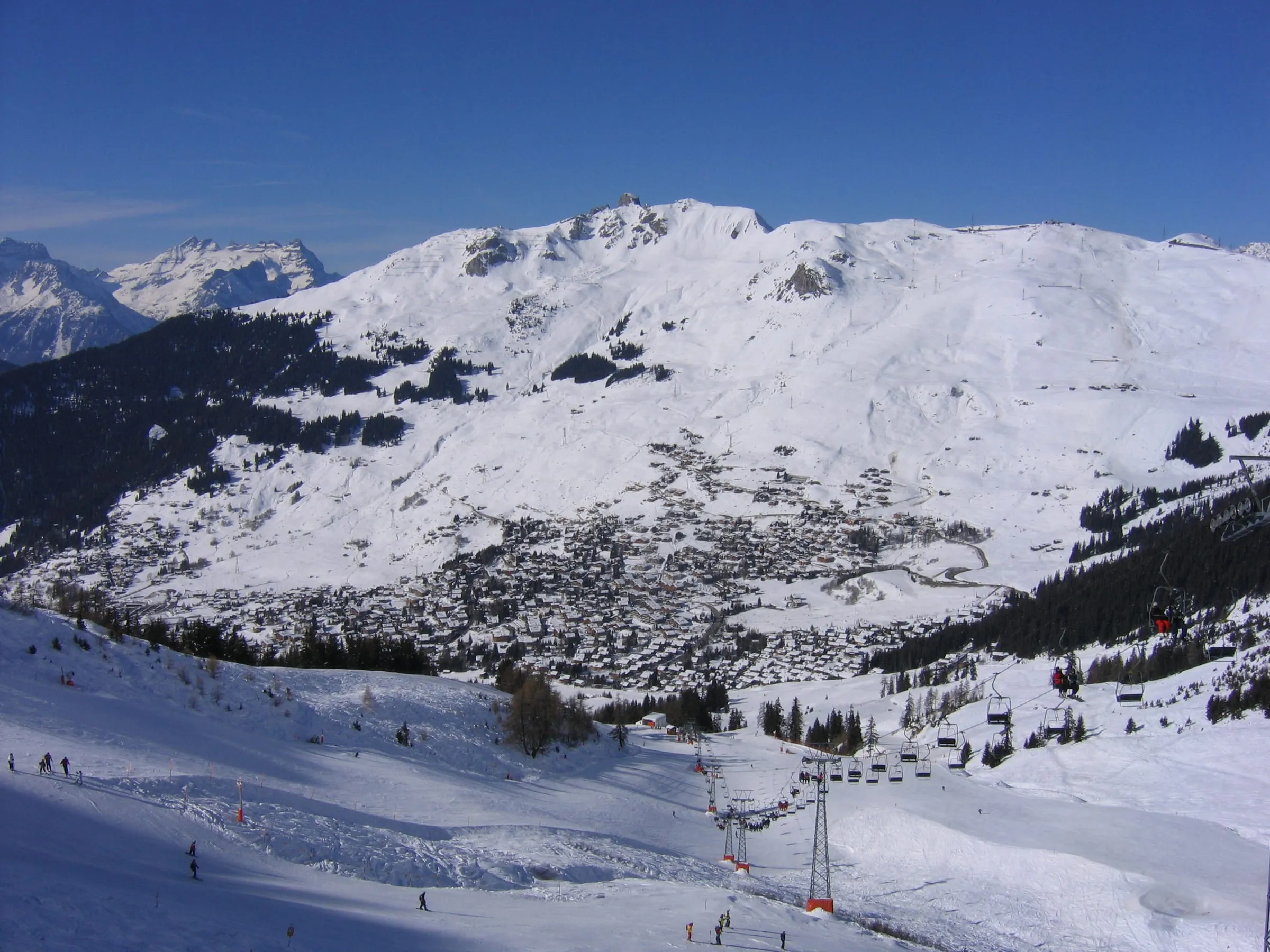
Compare that with the other big Swiss names. Verbier tops out at 3,330 m but has no glacier piste to fall back on, and Grindelwald barely passes 2,300 m on most of its runs. Only Cervinia, on the other side of the same glacier, matches Zermatt for altitude.
What can go wrong is weather, not snow. Wind closes the glacier lifts and the Italian link more often than a lack of cover closes anything.
The best time to ski Zermatt for snow
- November: glacier skiing from Trockener Steg, with the Matterhorn Express running all the way from the village from 14 November. Rothorn and Gornergrat open on 28 November. Good for keen skiers; the lower slopes may be thin.
- December: the rest of the network fills in. Kumme, Patrullarve and Eisfluh start on 12 December, snow permitting, and Hirli and the Theodul Express on 19 December. Before Christmas you ski high snow with few people.
- January: usually the coldest month, and outside the peak price period until 25 January. Short days and cold lifts, but the snow up high keeps well.
- February: the fullest month for crowds and prices; snow is rarely the concern.
- March: our pick for a week when everything is open. Easter 2027 falls on 28 March, still within every sector’s season.
- April: the season narrows. Rothorn and Gornergrat run to 18 April, but the Sunnegga funicular and the Sunnegga–Rothorn lifts close from 12 April for a control-system rebuild. After 18 April it is the glacier and Schwarzsee only, until 2 May.
Where the snow is best in Zermatt
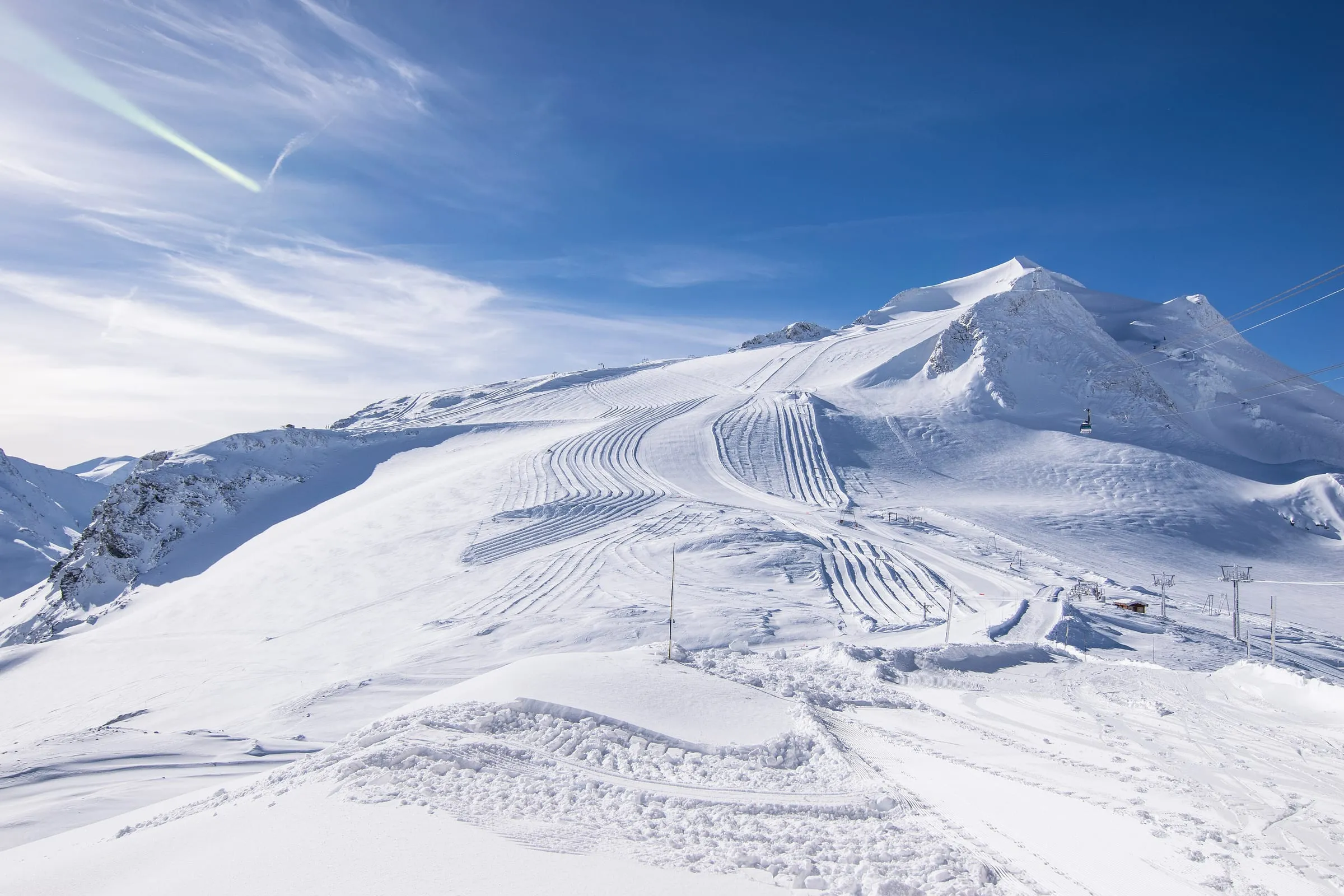
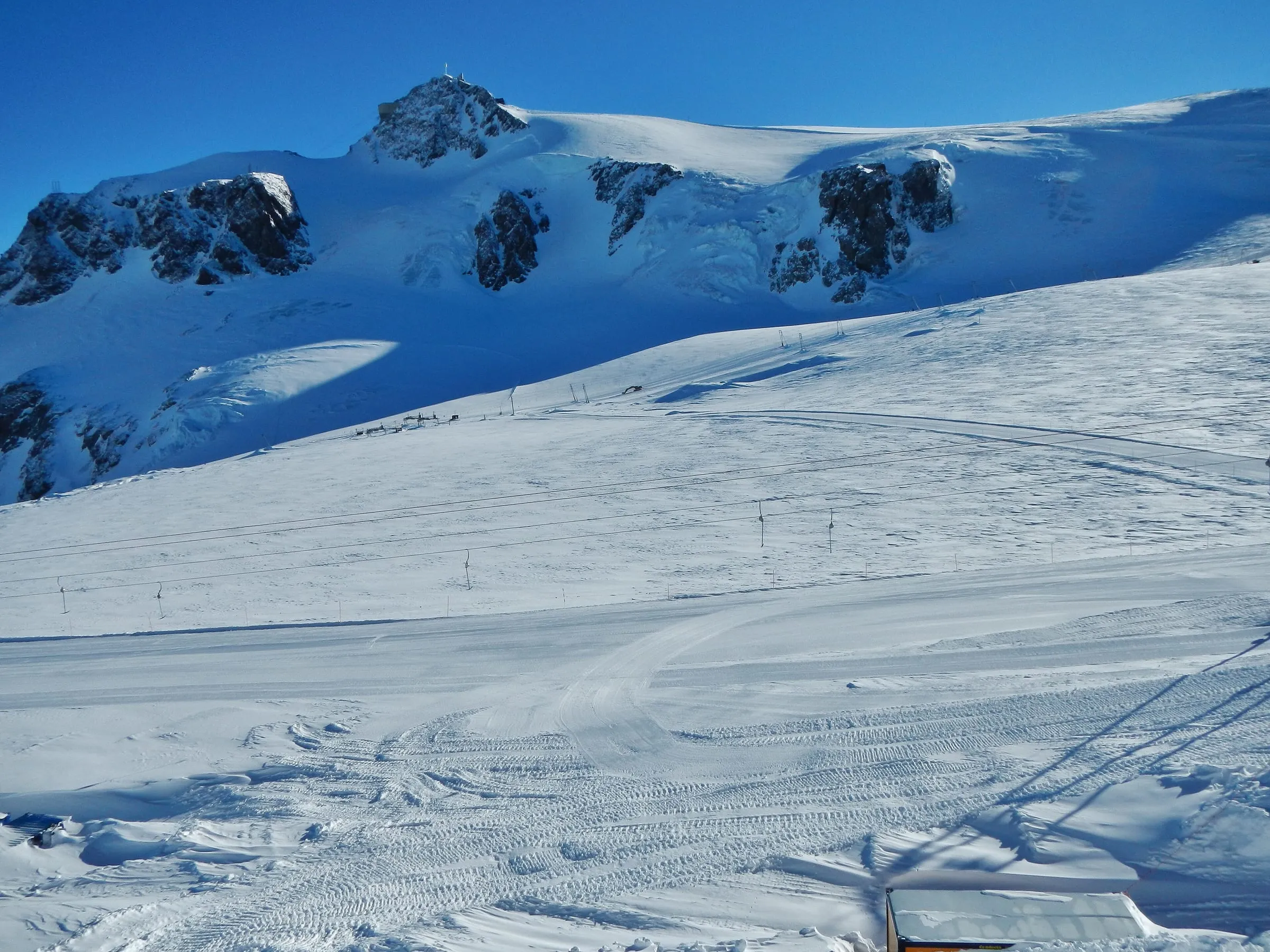
Highest and most reliable is the glacier sector: Trockener Steg, the Matterhorn Glacier Paradise and the wide runs on the Theodul Glacier towards the Theodul Pass. On the Gornergrat side, the terrain between Gornergrat, Hohtälli and Riffelberg sits above 2,500 m, and the Gornergrat railway keeps running to 18 April, after the Sunnegga lifts close for maintenance.
The runs that suffer first are the lowest ones: the valley run from Furi into the village and the last stretches back to Zermatt from Sunnegga and Riffelalp. In a warm spell they turn soft by early afternoon, and late in the season they may close before the slopes above. Riding the Matterhorn Express or the Sunnegga funicular down is normal here, not a defeat.
If the snow is poor in Zermatt
Go up. The glacier is the insurance policy: if the lower slopes are thin, the Matterhorn Express takes you to Trockener Steg, and the Matterhorn Glacier Ride to 3,883 m. The Zermatt pass includes the Gornergrat railway while the pistes are open, which gets you to the Riffelberg runs without relying on cable cars in wind. If the glacier lifts are stopped, spend the day on Gornergrat and around Sunnegga.
In a poor winter there are few higher alternatives: Zermatt is usually the resort others fall back on. Our Zermatt guide explains the sectors and the where to stay page which part of the village suits the lifts you’ll use.
Webcams and official snow reports for Zermatt
Zermatt Bergbahnen publishes its snow and avalanche report, with the open lifts and pistes and a wind map and forecast. Its 360° webcams cover Sunnegga, Rothorn, Gornergrat, Riffelberg, Trockener Steg and the Matterhorn Glacier Paradise, plus Plateau Rosa and Plan Maison on the Cervinia side.