France
 Austria
 Italy
 Switzerland
 English
 Deutsch
 Nederlands
 Čeština
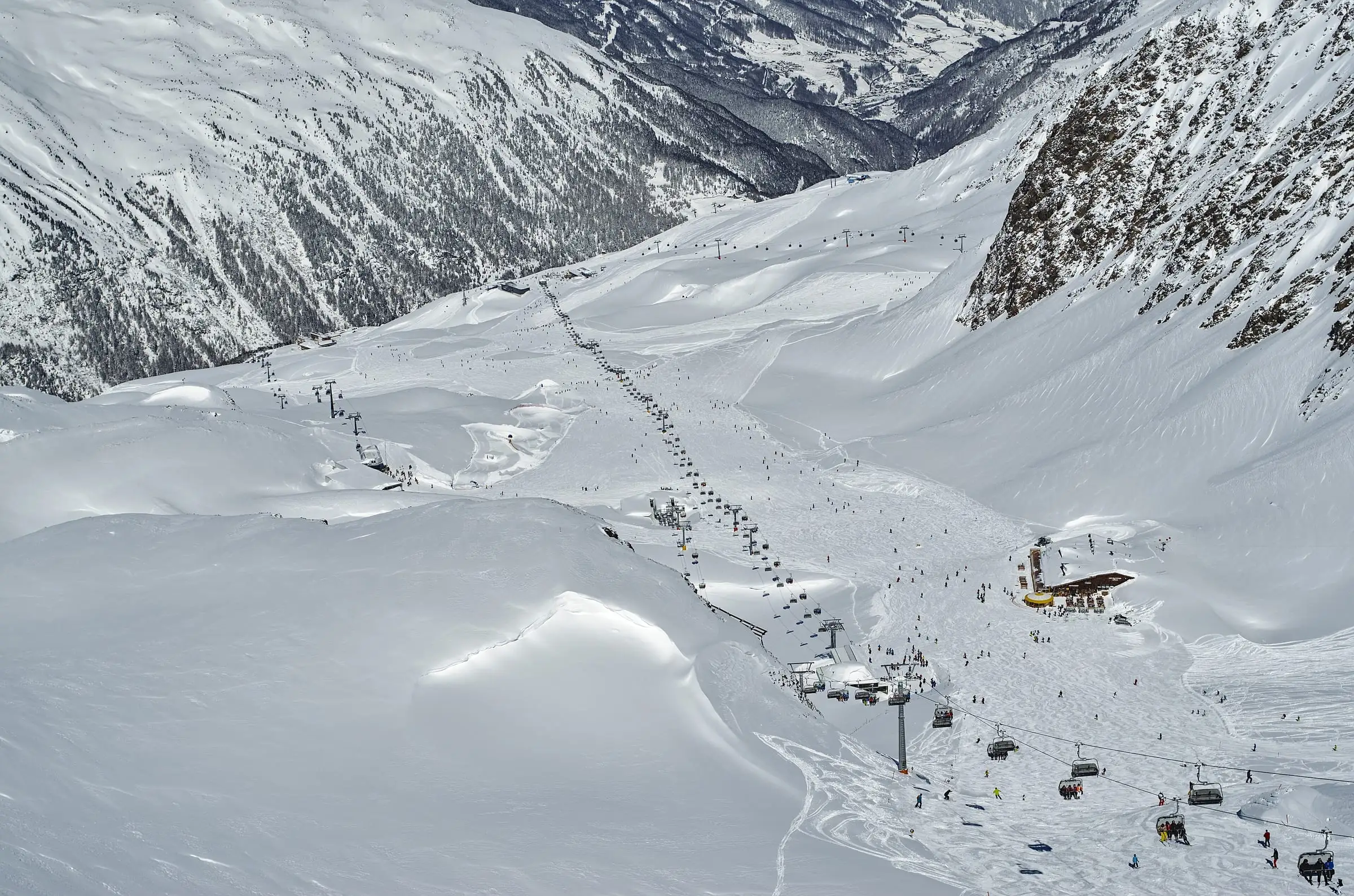
Obergurgl-Hochgurgl’s lifts run from 1,800 m to 3,030 m, with both villages above 1,900 m, no glacier, and snowmaking on more than 90% of the pistes, according to the lift company. For 2026/27 the season runs from 19 November 2026 to 18 April 2027, with a pre-season to 4 December when what opens depends on the snow.
How snow-sure is Obergurgl-Hochgurgl?
Very, for a resort without a glacier. The whole area sits high: Obergurgl village is at 1,930 m, Hochgurgl at 2,150 m, and the only lift-served skiing below about 1,900 m is the end of the long run to the Hochgurglbahn valley station at Pill (1,800 m). Above the villages, the Festkogl Alm (2,650 m), Hohe Mut Alm (2,670 m) and Top Mountain Star (3,030 m) are the high points.
Snowmaking backs that up. The lift company says more than 90% of the pistes are covered, fed by five reservoirs and controlled by five weather stations.
Our longest record comes from the GeoSphere Austria station in Obergurgl village (1,941 m), one of the highest village stations in the Alps, with five seasons of data (2021/22 to 2025/26). It measures natural snow in the village, not the depth on the pistes, which are higher and groomed; read it as a floor rather than a ceiling.
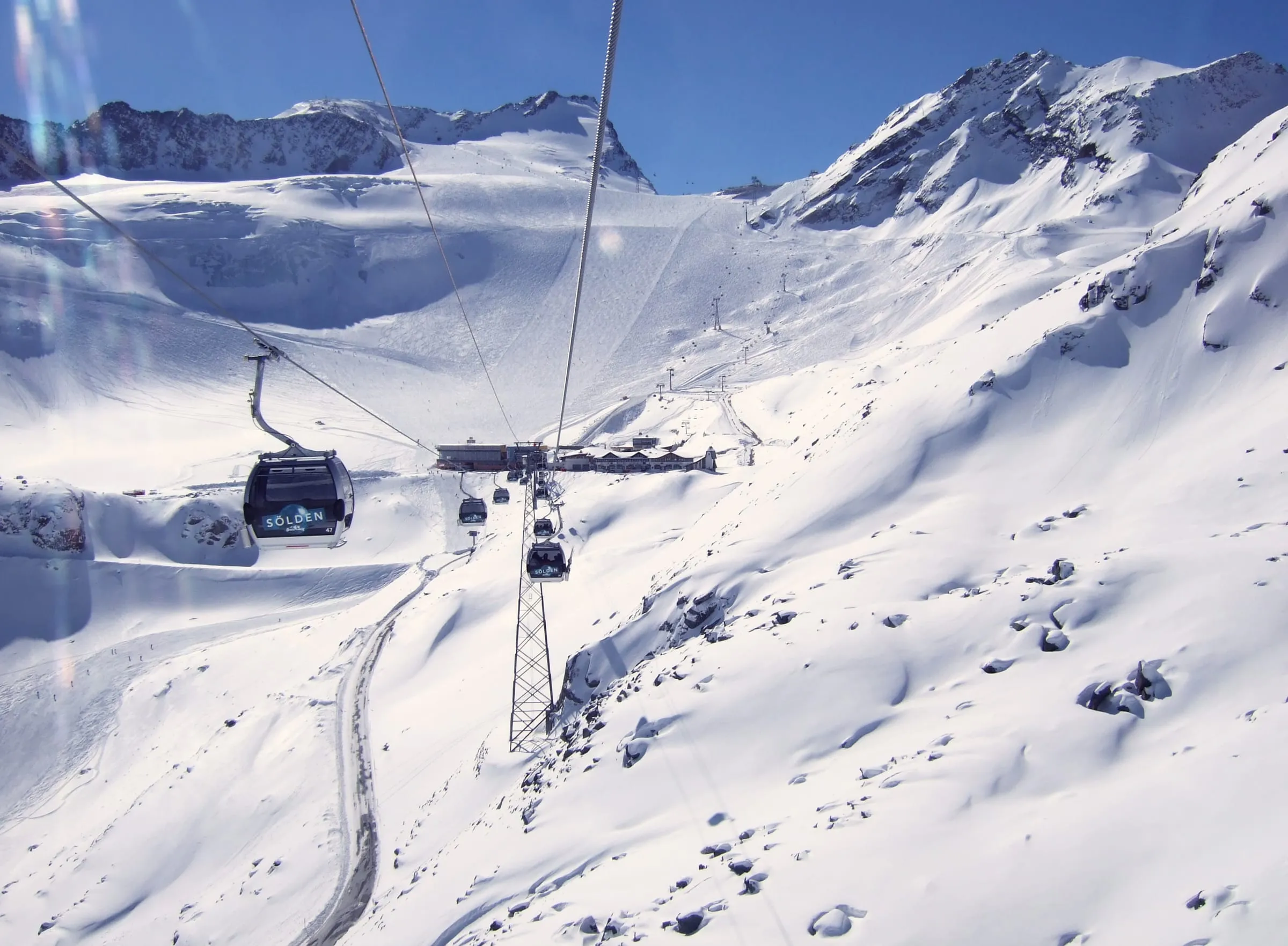
Compared with our other Austrian resorts, only Sölden, with two glaciers up to 3,340 m, is more snow-sure, and it’s on the same pass for stays of three days or more. Obergurgl’s advantage is that its villages and nursery slopes are higher than Sölden’s (1,350 m) or Ischgl’s, so the snow reaches your door.
The best time to ski Obergurgl-Hochgurgl for snow
Figures are averages of natural snow at the Obergurgl village station over the five seasons to 2025/26.
- Late November to mid-December: the season opens on 19 November 2026. In the village, snow averaged about 15 cm in November and 39 cm in December, so early runs rely on snowmaking and the higher lifts. December still had 30 cm or more on about two days in three.
- January: about 63 cm in the village, with 30 cm or more on about 90% of days. 7 to 29 January is outside the peak-price weeks.
- February: the deepest month, about 73 cm, and 30 cm or more on every day on record. Also the busiest, with peak prices from 30 January to 26 February 2027.
- March: about 65 cm, and our pick for snow plus long days. From late January to mid-March, every week averaged 30 cm or more in every season on record.
- April: the village snow falls away fast (about 17 cm on average), but the upper slopes keep skiing to the closing day, 18 April 2027. Easter is 28 March.
Where the snow is best in Obergurgl-Hochgurgl
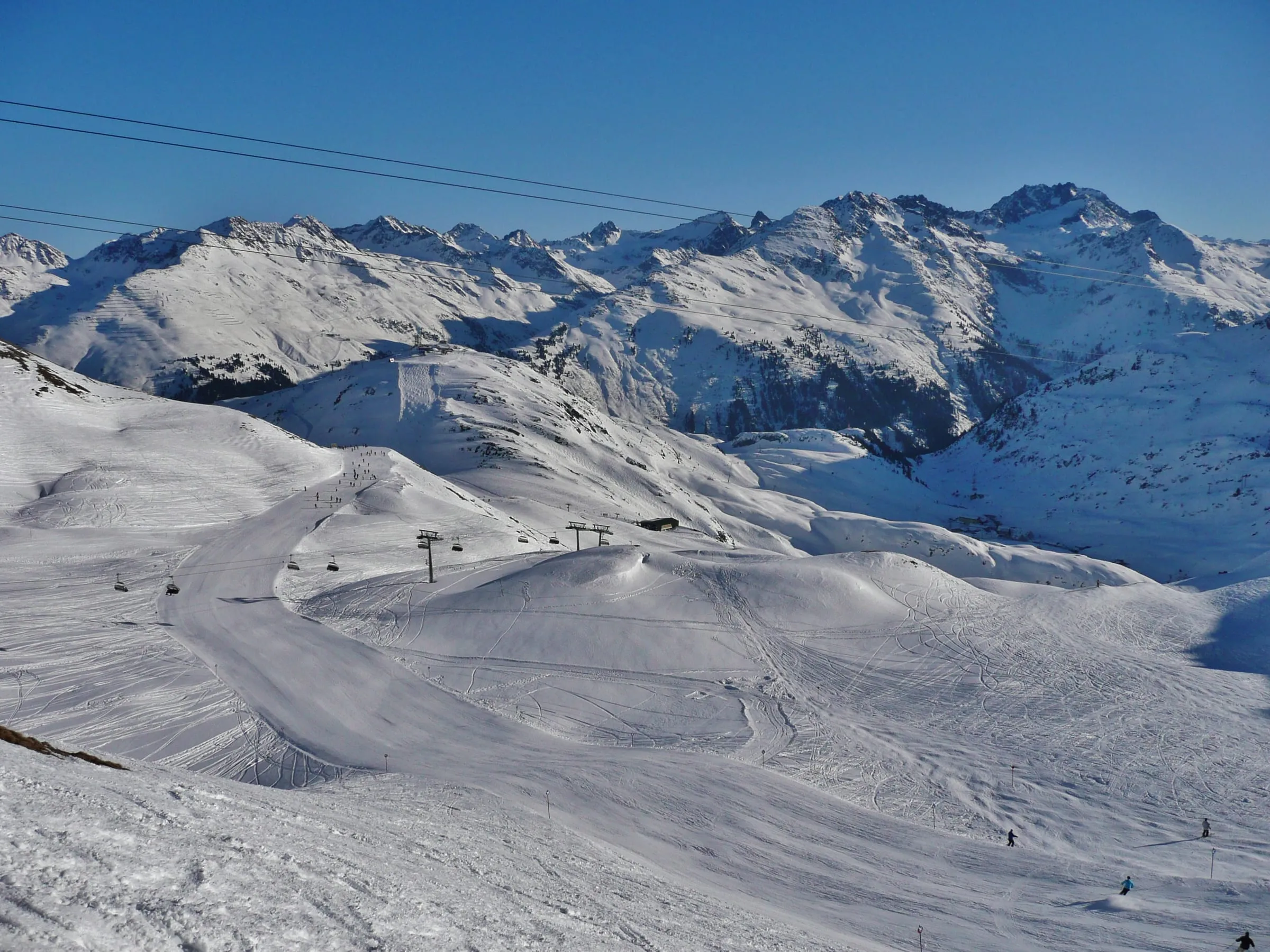
Hochgurgl first: the blues under Wurmkogl I and II and the runs from the Top Mountain Star at 3,030 m are the highest skiing in the area, and Hochgurgl’s hotels sit at 2,150 m. In Obergurgl, the Festkogl pistes around the Festkogl Alm and the runs from the Hohe Mut are the high, reliable options, and the Kirchenkar above the Top Mountain Crosspoint (about 2,200 m and up) is where the World Cup slalom is held in November.
What goes first is the bottom of the Wurmkogl descent to Pill, at 1,800 m, and the low village runs in Obergurgl in April.
If the snow is poor in Obergurgl-Hochgurgl
Head up to Hochgurgl and the Wurmkogl lifts, where the snow is highest, and stick to the groomed pistes, nearly all of which have snowmaking. On a pass of three days or more, Sölden’s glaciers are 30 minutes down the valley by bus and included. Read where to stay in Obergurgl-Hochgurgl if you want to sleep in Hochgurgl at 2,150 m, and Obergurgl-Hochgurgl with kids for the nursery areas.
Webcams and official snow reports for Obergurgl-Hochgurgl
The lift companies’ snow report, lift status and livecams on gurgl.com are the ones to check before you set off.